
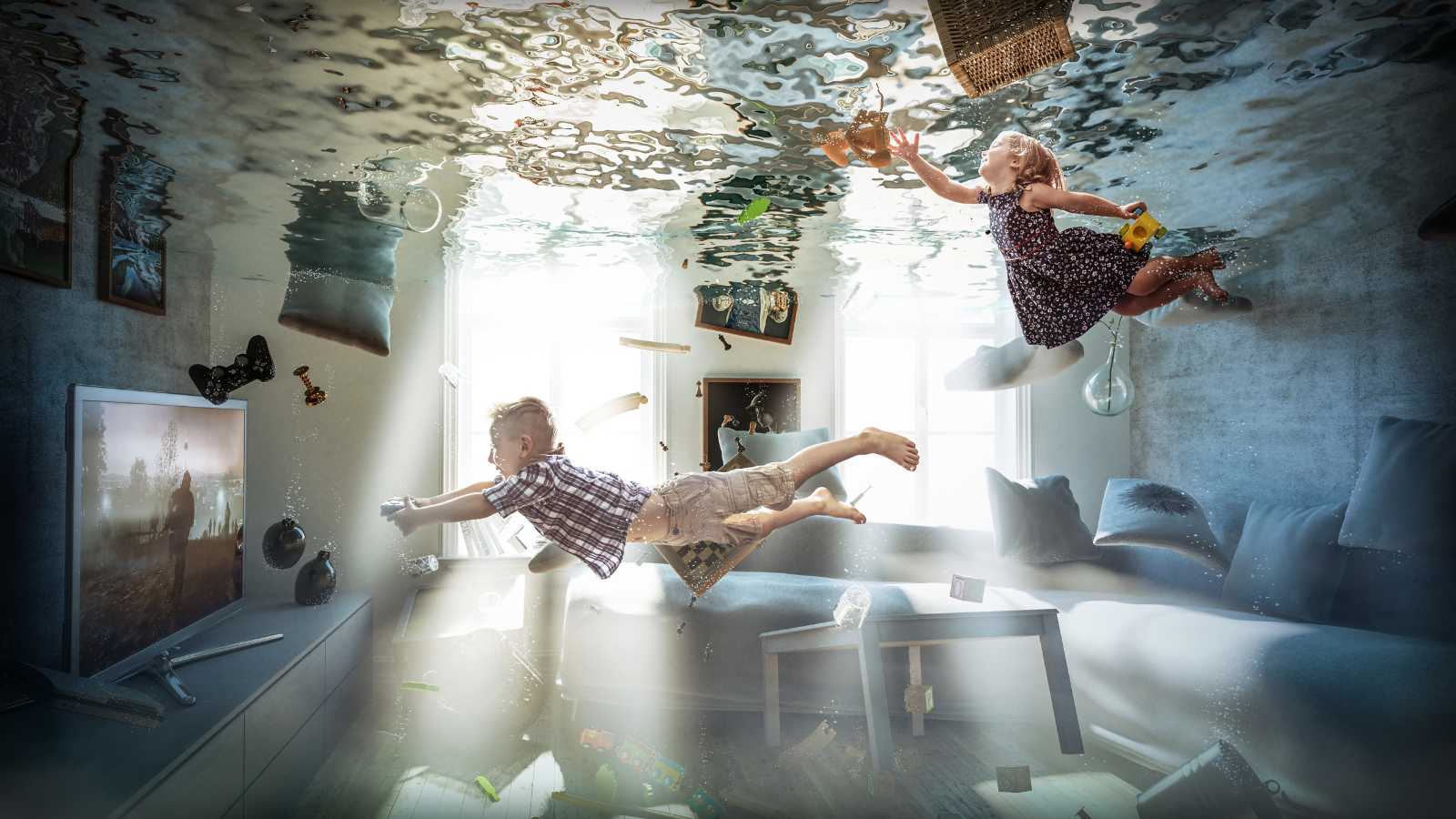
An underwater cruise ship room is a concept that captures the imagination, promising an intimate encounter with the ocean’s depths from the comfort of your bed. Alas, the engineering reality and practical constraints of cruise ship design have kept such rooms out of the mainstream cruising experience. In this article, we dive into the reasons why underwater rooms are not typically found on cruise ships, explore alternative subaquatic accommodations, and offer insights into the potential for future innovation in marine hospitality.
8 Facts Behind the Feasibility of Subaquatic Staterooms
1. Structural Integrity Challenges
One of the primary concerns with creating underwater staterooms is ensuring the structural integrity of the ship. Cruise ships are designed to float, and introducing underwater rooms would require significant modifications to maintain stability and safety. The pressure of the water at greater depths can be substantial, making it necessary to reinforce hull designs, which could increase costs significantly.
the materials used must be resistant to corrosion due to saltwater exposure. Rarely mentioned is the necessity for advanced engineering techniques, such as using composite materials or specialized coatings, to protect against marine growth and degradation over time.
2. Space Limitations
Cruise ships have a limited amount of space dedicated to passenger cabins, with most of the lower decks occupied by essential operational areas like engine rooms and storage. Only about 10% of a cruise ship is underwater, meaning that any potential underwater room would need to compete for space with vital equipment that keeps the ship functioning optimally.
This limitation makes it impractical to design underwater accommodations within the current layout of most cruise ships. Innovative solutions, such as modular designs or utilizing existing spaces more efficiently, may be required to create viable underwater rooms in the future.
3. Safety Regulations
Safety is a paramount concern in maritime travel, and introducing underwater rooms would raise new regulatory challenges. Cruise lines must comply with rigorous safety standards set by organizations such as the International Maritime Organization (IMO). These regulations cover everything from fire safety to emergency evacuation procedures.
Creating rooms below the waterline would necessitate additional safety measures, including improved escape routes and emergency systems. Understanding these regulations is essential for any future developments in underwater accommodations, as they shape how innovations can be integrated into cruise experiences.
4. Environmental Considerations
The environmental impact of underwater rooms must also be taken into account. Introducing new structures beneath the water could disrupt local ecosystems and marine habitats. Environmental assessments would be necessary to evaluate potential effects on biodiversity and water quality.
Designing underwater rooms in a sustainable manner—such as incorporating eco-friendly materials or technologies that minimize environmental impact—could pose an additional challenge. Future innovations should focus on balancing guest experiences with responsible tourism practices.
5. Technological Innovations
Advancements in technology could pave the way for feasible underwater staterooms in the future. Innovations in structural engineering, buoyancy control, and water filtration systems could help overcome some of the challenges currently faced. For instance, smart materials that can adapt to pressure changes might allow for safer underwater designs.
technology like augmented reality could enhance the experience for guests without requiring actual submerged accommodations. This could include virtual windows that simulate ocean views while maintaining the structural integrity of traditional staterooms.
6. Market Demand
Understanding market demand is crucial when considering the feasibility of underwater rooms on cruise ships. While the idea is intriguing, it’s essential to assess whether travelers are willing to pay a premium for such accommodations. Researching consumer preferences through surveys or focus groups could provide valuable insights into potential interest levels.
analyzing trends in luxury travel and unique experiences can help gauge how underwater rooms would fit into broader hospitality offerings. Engaging with platforms like Listy Travels can also help gauge traveler interest and gather feedback on desired features in subaquatic stays.
7. Operational Costs
The operational costs associated with maintaining underwater staterooms could be significant. Beyond initial construction expenses, ongoing maintenance would be required to ensure safety and comfort for guests. This includes regular inspections for structural integrity, cleaning to prevent marine growth, and potential repairs from environmental wear.
Understanding these costs is vital for cruise lines considering adding underwater accommodations to their offerings. A detailed financial analysis could help determine whether such investments would yield a return or if alternative experiences might be more profitable.
8. Alternative Subaquatic Experiences
While underwater staterooms may not currently exist on cruise ships, there are numerous alternative subaquatic experiences available to travelers. Options like snorkeling excursions, submersible dives, or visits to underwater parks offer opportunities to engage with marine life in unique ways without needing structural modifications to cruise ships.
Promoting these experiences through platforms like Listy Travels can help highlight existing options for travelers who crave adventure beneath the waves.
How Does the Ship’s Design Impact the Possibility of Underwater Rooms?
Structural Layout and Stability
The design of a cruise ship plays a major role in determining the feasibility of underwater rooms. Most cruise ships are built with a focus on stability and buoyancy, which requires a carefully balanced weight distribution throughout the vessel. Introducing underwater accommodations would necessitate modifications to this balance, potentially affecting the ship’s overall stability and safety during operation.
For example, the weight of additional underwater structures could shift the center of gravity, requiring reinforcement in other areas of the ship. According to marine engineering principles, maintaining a low center of gravity is essential for preventing capsizing, especially in rough seas. A significant redesign would be needed to counteract these challenges, which could substantially increase construction costs and complexity.
Safety Regulations and Compliance
The ship’s design must also adhere to stringent safety regulations that govern maritime travel. These regulations encompass various aspects, including fire safety, evacuation procedures, and structural integrity. Incorporating underwater rooms would require compliance with additional safety standards, such as ensuring proper escape routes from submerged areas in case of emergencies.
The design would need to facilitate the installation of advanced safety systems, such as water monitoring and emergency flotation devices. For instance, under International Maritime Organization (IMO) regulations, all accommodation areas must have effective means of escape and be constructed to withstand potential flooding scenarios. Failure to meet these requirements could lead to legal consequences and put passengers’ safety at risk.
Impact on Interior Design and Amenities
The incorporation of underwater rooms would significantly influence the overall interior design and amenities available on a cruise ship. Traditional cruise ship designs prioritize maximizing passenger comfort and enjoyment above water, with features like spacious lounges, dining areas, and entertainment venues. However, designing rooms below the waterline would require rethinking these spaces to accommodate the unique experiences that underwater living could offer.
For example, the ambiance of underwater rooms might need to focus on creating a serene environment with soundproofing against the sounds of the ocean. considerations for light sources would be necessary, as natural light would be limited. Innovative solutions like LED lighting that simulates natural light or panoramic windows designed to withstand pressure could enhance the experience for guests.
By understanding how ship design impacts the possibility of underwater rooms, cruise lines can explore creative alternatives to enhance guest experiences while ensuring safety and structural integrity remain top priorities.
What Are the Alternative Real-Life Underwater Accommodation Options?
Underwater Hotels
One of the most notable alternatives for underwater accommodations is the growing trend of underwater hotels. These unique establishments allow guests to immerse themselves in marine environments without the challenges associated with cruise ship designs. The Conrad Maldives Rangali Island, for example, features an underwater suite called “The Muraka,” which sits five meters below sea level, offering stunning views of marine life through large acrylic windows.
Underwater hotels often come equipped with luxury amenities, including fine dining options, private pools, and spa services. As of now, there are only a handful of such hotels worldwide, making them exclusive destinations for travelers seeking unique experiences. The Poseidon Undersea Resort in Fiji, although still under development, promises to offer a comprehensive underwater experience with accommodations designed for luxury and comfort, highlighting the potential for future growth in this sector.
Submarine and Underwater Tours
Another alternative option is the use of submarines or specialized underwater vehicles for exploration and accommodation. Some tour operators offer submarine excursions that take guests deep into the ocean, providing an opportunity to observe marine life up close. For instance, Atlantis Submarines operates in various tropical locations, allowing passengers to dive to depths of around 30 meters while enjoying comfortable seating and large viewing windows.
These submarine tours can last anywhere from one to two hours, offering a unique perspective of coral reefs and marine ecosystems. While they do not provide overnight stays, they serve as an exciting way for travelers to engage with underwater environments. This type of experience is particularly appealing to those who want to explore marine life without the commitment of a longer stay in submerged accommodations.
Glass-Bottom Boats and Oceanic Experiences
Glass-bottom boats are another popular alternative that allows individuals to enjoy underwater views without needing full submersion. These vessels have transparent sections in their hulls, enabling passengers to see beneath the surface while remaining above water. Many tourist destinations offer glass-bottom boat tours as a way to explore coral reefs and marine wildlife in a more accessible format.
This experience is both educational and entertaining, often accompanied by knowledgeable guides who provide insights into the local marine ecosystem. According to industry reports, glass-bottom boat tours have gained popularity in locations like the Great Barrier Reef in Australia, where visitors can witness vibrant underwater life without diving. This option allows travelers to experience marine environments in a less invasive way, complementing other aquatic activities such as snorkeling or swimming.
Discovering Subaquatic Experiences with Listy Travels
Comprehensive Directory for Unique Stays
Listy Travels serves as a valuable resource for travelers looking to discover unique subaquatic experiences across various destinations. The directory includes listings for vacation rentals, hotels, and resorts that offer proximity to underwater attractions, ensuring that guests can easily access exciting marine experiences.
In addition to traditional lodging, Listy Travels also highlights specialized experiences like underwater hotels or resorts with dedicated marine activities. For example, travelers interested in staying near the Great Barrier Reef can explore choices that not only provide comfortable lodgings but also offer guided snorkeling excursions or diving packages. This comprehensive approach helps users navigate the plethora of options available, making their travel planning more efficient and enjoyable.
Community Engagement and Expert Advice
Another significant aspect of Listy Travels is its community engagement through platforms like the Facebook group. Here, members can ask questions, share experiences, and seek advice about subaquatic adventures from like-minded travelers. This collaborative environment fosters a sense of camaraderie and support, allowing individuals to learn from one another and discover hidden gems that may not be widely advertised.
Listy Travels provides expert advice on planning aquatic vacations, including tips on the best times to visit specific locations and how to book activities effectively. For instance, understanding seasonal trends in marine life can enhance a traveler’s experience when planning a snorkeling trip. This wealth of information empowers users to make informed decisions and enriches their overall travel experience by connecting them with knowledgeable resources and fellow enthusiasts.
Can Future Cruise Ship Innovations Include True Underwater Rooms?
Advancements in Marine Engineering
The possibility of true underwater rooms on future cruise ships hinges on advancements in marine engineering and technology. As the demand for unique travel experiences grows, cruise lines may invest in innovative designs that can accommodate submerged accommodations without compromising safety or stability. For example, recent developments in materials science have led to the creation of lightweight, corrosion-resistant composites that could facilitate the construction of underwater rooms while ensuring structural integrity.
Advancements in buoyancy control systems could allow for more flexible ship designs that integrate underwater cabins. Research from the maritime industry suggests that with the right engineering solutions, it is possible to create modular underwater structures that can be added to existing ships or designed into new builds. This could significantly change how cruise ships are designed and operated, paving the way for an entirely new segment of the market focused on underwater accommodations.
Evolving Consumer Preferences
Consumer preferences are also likely to drive innovations in cruise ship design, including the incorporation of true underwater rooms. As travelers increasingly seek unique and immersive experiences, cruise lines may feel compelled to explore this concept further. According to a recent survey by Travel Weekly, around 60% of travelers expressed interest in novel accommodations like underwater hotels or unique marine experiences, indicating strong market potential.
To capitalize on this trend, cruise lines could collaborate with architects and marine biologists to create sustainable underwater environments that enhance guest experiences while preserving marine ecosystems. For instance, designs could incorporate living coral walls or aquariums that promote biodiversity while providing stunning views for guests.