
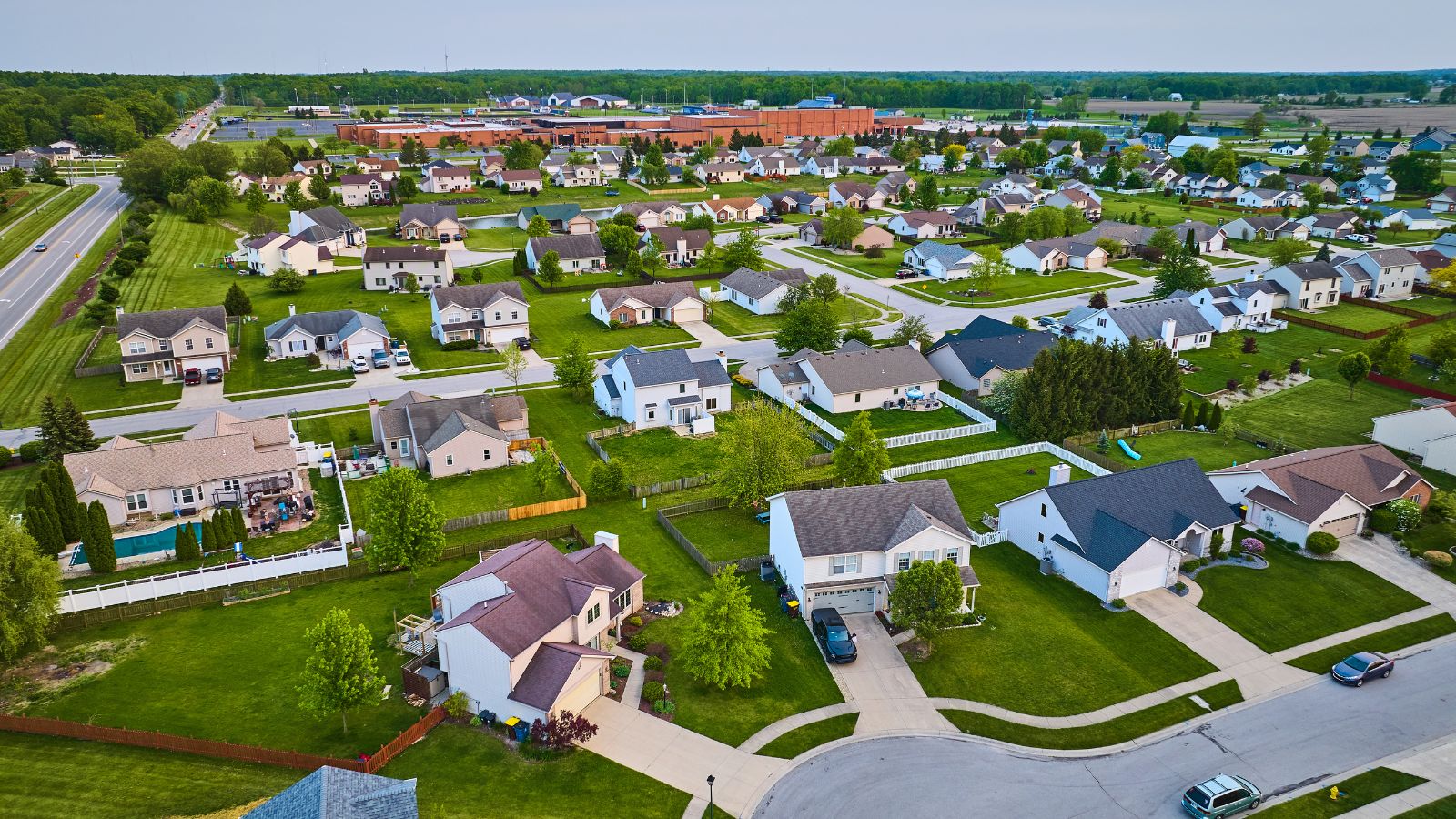
Renting in up-and-coming neighborhoods has both merits and challenges. Besides the promise of growth and potential commercial value, it can provide affordable and exciting short-term living experiences.
In this article, we’ll explore 11 factors to consider when choosing short-term rentals in up-and-coming neighborhoods.
The Appeal of Short-term Rentals in Up-and-coming Neighborhoods
The appeal of short-term rentals in up-and-coming neighborhoods lies in the balance of affordability and potential future growth. Often, these neighborhoods offer competitive rental rates when compared to more developed areas, making them highly attractive for both renters and investment property owners. For tenants, the cheaper rent allows them to live in a potentially fast-growing area without the long-term commitment or financial burden of purchasing property.
On the other hand, property owners and investors often reap significant rewards as the area’s popularity increases, leading to higher rental rates over time and, thus, a greater return on investment. For instance, neighborhoods like East Nashville in Tennessee or the RiNo (River North) district in Denver were once considered up-and-coming.
Now, they’re hotspots for tourists and locals alike, and short-term rental prices have risen accordingly. Thus, the appeal lies in the relatively low initial investment risk balanced with the potential for a substantial long-term return.
11 Factors to Consider When Choosing Short-term Rentals in Up-and-coming Neighborhoods
1. Research the neighborhood’s potential
Before investing in a short-term rental in an up-and-coming neighborhood, research the area’s development plans, recent economic growth, and factors that may contribute to and maintain this growth, such as infrastructure projects or the city’s commitment to supporting new businesses. This will help you determine if the area is likely to continue attracting renters and generating rental income.
2. Assess public transportation accessibility
Access to public transportation is essential for short-term renters in urban areas. Evaluate the availability of mass transit options, including bus routes, train lines, and bike-sharing programs. This access can contribute significantly to the rental’s desirability, especially for tourists and travelers who may not have a personal vehicle.
3. Proximity to amenities and attractions
Distance to nearby amenities such as grocery stores, restaurants, parks, and cultural institutions should be taken into account. Short-term renters appreciate the ease of access to these conveniences during their stay, and it could mean the difference between a well-reviewed rental and one sitting empty.
4. Safety and security
Ensure the neighborhood has a reputation for safety and security, as renters prioritize feeling secure in their temporary home. Check local crime rates and consider adding additional security measures, such as security cameras or alarm systems, to provide a sense of assurance.
5. Noise levels and neighborhood vibes
Consider the noise levels and overall ambiance of the neighborhood. Some renters may prefer a bustling location with entertainment options and nightlife, while others seek a quieter, more residential atmosphere. This is an essential factor to keep in mind when marketing your short-term rental property.
6. Evaluate parking availability
Adequate parking is an essential feature for renters traveling with their own vehicles. Determine if there is ample parking near your short-term rental, and make sure to account for any permit requirements, restrictions, or additional fees for renters using a vehicle.
7. Research local regulations and restrictions
Look into local regulations regarding short-term rentals. Laws and restrictions vary significantly between states and cities, affecting factors like rental duration, operational licenses, taxes, and even occupancy limits. Becoming familiar with these requirements will help you avoid potential legal issues.
8. Furnishing and decoration
A well-appointed rental property with comfortable furnishings and tasteful decoration is more likely to receive positive reviews and secure repeat bookings. Invest in quality furniture and appliances and consider adding personal touches, like local artwork or guidebooks, to make the rental feel like a home away from home.
9. Reliable communication and Internet access
Providing reliable Internet access is a top priority for short-term renters, whether they are traveling for business or leisure. Make sure your property has fast, reliable Wi-Fi and clear instructions for accessing the network.
10. Anticipate maintenance and repair expenses
Account for regular maintenance and repairs in your rental’s budget. This includes cleaning between guests, routine upkeep, and addressing any issues that arise, such as plumbing or appliance malfunctions. A well-maintained rental is key to positive guest experiences and return bookings.
11. Build strong relationships with your neighbors
Developing positive relationships with your neighbors can help you prevent conflicts and even turn them into supporters of your short-term rental business. Keep them informed, address their concerns, and extend invitations for them to visit your rental property to establish mutual respect and trust.
Proximity to Public Transportation and Major Highways
The proximity to public transportation and major highways is a major factor when considering a short-term rental property. Both tourists and business travelers value easy access to transport options, which can significantly impact their overall experience and satisfaction.
Being near subway lines, bus stops, and major highways gives renters the convenience of shorter commute times and the ability to explore the city and its surrounding areas effortlessly. For example, a short-term rental situated close to the New York City subway or Washington, D.C.’s Metro can offer reduced travel time, allowing guests to make the most of their time on vacation or business trips.
Likewise, proximity to main roads and highways in cities like Los Angeles or Houston is a significant advantage for renters who rely on personal vehicles or rideshares for transportation. In summary, a well-located short-term rental near various transport options increases its desirability, potentially leading to higher occupancy rates and more positive reviews from satisfied renters.
Local Amenities and Services
- Grocery stores and markets: Renters value access to grocery stores and local markets for fresh produce, as it allows them to cook for themselves and save money on dining out during their stay. For instance, a short-term rental near the vibrant La Boqueria market in Barcelona or a Trader Joe’s in a US city can be a significant attraction for potential guests.
- Restaurants, cafes, and bars: proximity to various dining and drinking establishments offers renters the chance to experience the local flavors and social scene without having to travel far from their temporary home. For example, a short-term rental near Melbourne’s famous laneways or near Shoreditch’s vibrant food scene in London could greatly impact a renter’s overall satisfaction.
- Pharmacies and medical facilities: Easy access to pharmacies and medical facilities is essential for guests who need medication, medical supplies, or assistance during their stay. A rental property close to a 24-hour pharmacy, like a CVS or Walgreens, or near a clinic or hospital can provide crucial peace of mind for renters.
- Parks and recreation areas: Having green spaces and recreational facilities nearby can be a significant advantage for renters looking to exercise, relax, or engage in outdoor activities during their stay. Examples include properties close to New York’s Central Park, London’s Hyde Park, or Sydney’s Royal Botanic Gardens, which offer excellent opportunities for leisure and exercise.
- Entertainment and cultural venues: Renters often appreciate short-term rentals within walking distance to theaters, museums, galleries, and other cultural sites to easily immerse themselves in the local culture. For instance, a property close to the LACMA in Los Angeles or a stone’s throw from Broadway in New York City can attract guests interested in art and entertainment.
- Public transportation and bike-sharing stations: As mentioned previously, proximity to public transportation and bike-sharing options is vital for short-term renters who may be heavily reliant on these modes of transport. A rental property near a subway or train station or close to a bike-sharing hub, such as Citi Bike in New York City, greatly enhances the renter’s mobility and simplifies their vacation.
- Laundry facilities: Renters often expect the availability of laundry facilities during their stay, whether included within the rental property or nearby. A short-term rental near a reliable laundromat or offering in-unit washer and dryer amenities can make a significant difference in a renter’s experience, particularly for extended stays.
Safety and Crime Rates
The safety of a location and its surrounding crime rates are critical factors to consider when choosing a short-term rental, both for the peace of mind of potential guests and for the property owner’s security and liability. Areas with low crime rates are inherently more attractive to renters, as they provide a safe and secure environment where they can relax without unnecessary stress or worry about their personal safety or their belongings’ safety.
The crime rate can influence the perception of a location and, therefore, its desirability as a short-term rental property. For example, neighborhoods like Laureles-Estadio in Medellin, Colombia, or Prenzlauer Berg in Berlin, Germany, are well-regarded for their safety and family-friendly environment, making them popular choices for short-term renters. Various online resources can provide crime rate statistics and community safety information for specific areas, which can be helpful in assessing the suitability of a rental location.
In addition, rental property owners can enhance safety further by investing in security measures such as secure locks, alarm systems, or security cameras, demonstrating a commitment to the safety and security of their guests.
The Presence of Green Spaces and Parks
The presence of green spaces and parks close to a short-term rental property significantly enhances its appeal for potential renters seeking a balance between the bustle of city life and the serenity of nature. Parks and green spaces offer opportunities for outdoor activities like exercise, picnics, or scenic walks, contributing to the relaxation and overall well-being of guests.
Families with children will appreciate the availability of play areas, while fitness enthusiasts may seek out running or biking trails. For instance, a rental property in Paris that’s near the Luxembourg Gardens or one in San Francisco that’s within walking distance of Golden Gate Park is enticing for many visitors who appreciate these types of amenities. Green spaces also add aesthetic appeal to the neighborhood, creating peaceful views and promoting fresh air.
A well-kept park in the vicinity is an indication of a well-maintained neighborhood, which can only add to the desirability of the rental property. In summary, green spaces positively affect the attractiveness of a short-term rental to potential guests, offering benefits for leisure, recreation, and tranquility during their stay.
Real Estate Growth and Property Value Trends
Monitoring real estate growth and property value trends in a neighborhood is a vital measure when assessing a location for a short-term rental. An area showing signs of real estate growth, such as increasing property values, new construction, and urban development projects, usually indicates a thriving neighborhood likely to attract tourists and short-term renters.
Rising property values could also lead to higher rental rates over time, increasing your return on investment. For example, a neighborhood like Wynwood in Miami, once an industrial district, has seen a significant real estate boom due to its transformation into a vibrant arts hub. This growth increased local property values and, potentially, short-term rental rates.
However, investors should also consider the impacts of potential economic downturns or the long-term effects of demographic shifts. Leverage real estate market reports, property value data, and local real estate professionals’ wisdom to gauge current and future trends, ensuring your investment is well-placed for long-term profitability.
Neighboring Establishments and Potential Noise Sources
The presence and nature of neighboring establishments and potential noise sources are significant factors when considering a property for short-term rentals. A location near bars, nightclubs, or busy streets might have a lot of noise, especially at night, which could disturb visitors and ruin their trip. For instance, a rental in New York’s Times Square or near Piccadilly Circus in London, while ideally located for tourist attractions, can be noisy due to heavy traffic and bustling activity.
On the contrary, sites near quiet eateries, bookshops, parks, or in a residential area may offer a more peaceful and relaxing environment, enhancing guests’ comfort and satisfaction. However, some guests might prefer a lively atmosphere and view a bustling environment as a positive feature. Besides, noise-reducing measures like soundproofing windows and walls can also be implemented in properties located in noisy areas to ensure guests’ comfort.
Cultural Diversity and Community Inclusiveness
Cultural diversity and community inclusiveness contribute significantly to a location’s appeal for the short-term rental market. Locations rich in cultural diversity offer guests a vibrant and unique experience, showcasing a broad spectrum of food, traditions, and festivals.
For instance, neighborhoods like Mission District in San Francisco or Jackson Heights in New York City are hubs of multi-cultural activity, providing an immersive experience for visitors. Similarly, community inclusiveness plays a big role in making guests of all backgrounds feel safe, welcomed, and respected during their stay.
Locations known for progressive regulations and a welcoming community, such as Amsterdam in the Netherlands, are considered attractive for their inclusive environment. Apart from enhancing guests’ satisfaction and ensuring they feel at home, features such as cultural diversity and community inclusiveness also make for excellent selling points in marketing materials, thereby positioning the short-term rental property as an inviting and unique accommodation choice.
Access to Quality Education and Healthcare Facilities
Access to quality education and healthcare facilities in a location is valuable for attracting short-term renters looking for comfortable stays and peace of mind during their travels. Proximity to reputable schools, universities, and childcare facilities can be an added advantage for families with children or individuals pursuing short-term study opportunities, capturing a broader range of potential customers.
For instance, families with children or visiting scholars would be vying for a rental home close to Harvard University in Cambridge, Massachusetts, or Kings College in London. Similarly, having healthcare facilities like hospitals, clinics, and pharmacies within easy reach reassures guests that they can quickly access medical assistance in case of emergencies or if they have ongoing healthcare needs.
Rental properties near Mayo Clinic in Rochester, Minnesota, or Charité in Berlin, Germany, may be popular choices for patients and their families seeking medical treatment or consultations.
The Presence of Art and Cultural Spaces
The presence of art and cultural spaces within the vicinity of a short-term rental property plays a pivotal role in enriching the appeal and attractiveness of the location. Such facilities include museums, art galleries, theaters, and music venues, all of which provide vibrant cultural experiences for guests.
For instance, a property located near the Louvre Museum in Paris or the Metropolitan Museum of Art in New York City offers visitors easy access to world-renowned art and historic artifacts. Similarly, being near live performance venues like London’s West End or Broadway in New York can be an enticing feature for travelers interested in theater or music.
These cultural spaces not only provide entertainment but also present opportunities for guests to delve into local heritage, history, and lifestyle, thus amplifying their overall travel experience. Consequently, the availability of art and cultural spaces is a significant element that potential renters factor into their accommodation choices, enhancing the competitiveness of a short-term rental property.
Zoning Regulations and Future Development Plans
Understanding zoning regulations and future development plans within the locality of a short-term rental property is critical for strategic investing. Zoning regulations determine how the property and surrounding area can be used. For instance, some areas might have restrictions against short-term rentals, which could significantly impact your ability to operate, as seen in places like Barcelona or San Francisco where regulations have been tightened.
Furthermore, knowing about future development plans, like infrastructure projects or new construction, can provide insight into potential changes in the area’s attractiveness or property values. For example, an upcoming metro line, shopping center, or park could increase the appeal of the area, leading to higher rental rates and property values. In contrast, constructions like heavy industrial plants could have the opposite effect.
This information is often available in municipal development plans or can be sourced from local real estate professionals. Therefore, a thorough understanding of both zoning regulations and future development plans is essential in assessing the sustainability and profitability of the short-term rental business.