
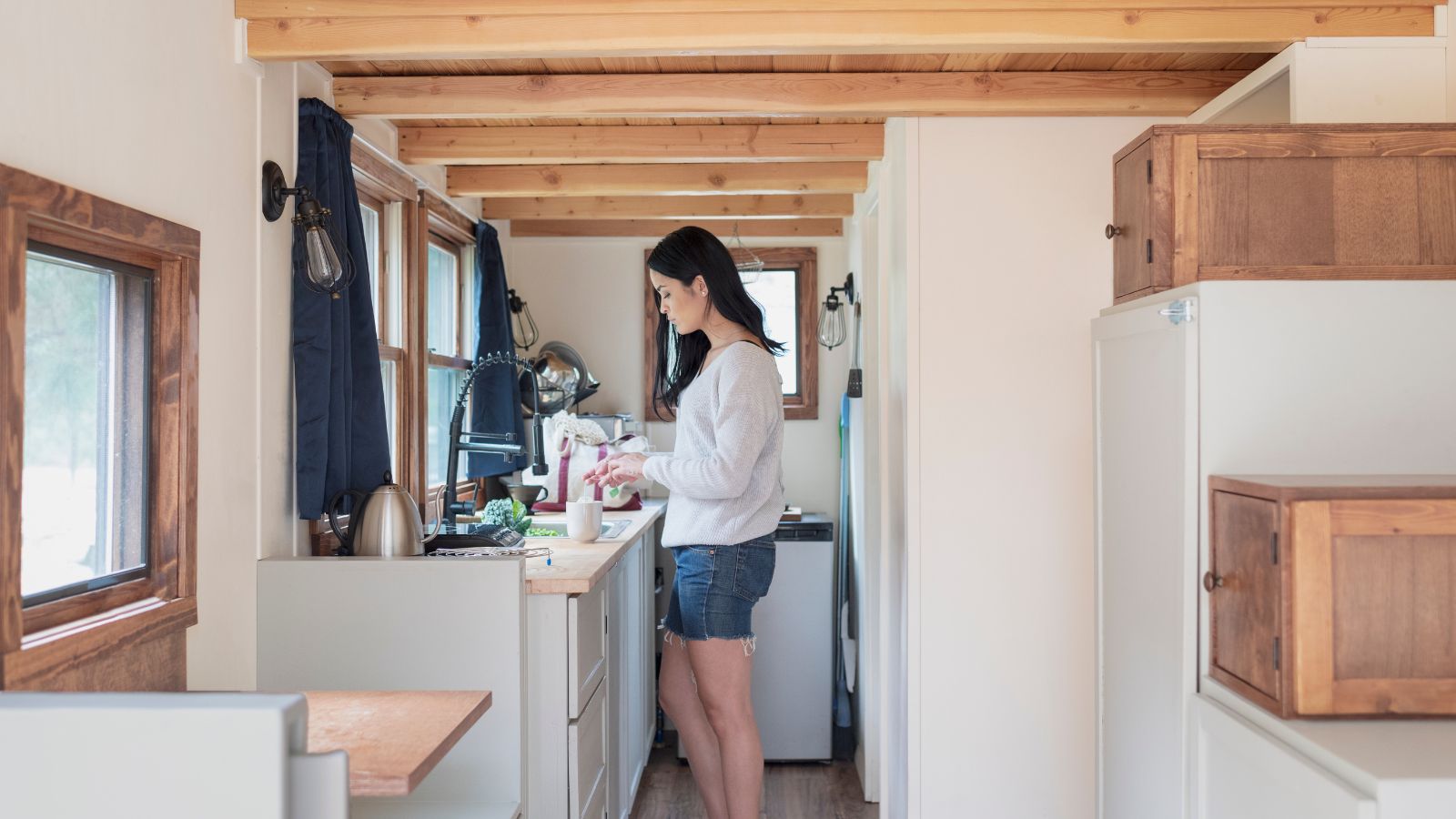
The tiny house movement has taken the world of short-term rentals by storm, offering a unique, minimalist approach to vacation accommodations. These compact yet well-designed spaces often come with all the comforts of a larger home.
In this article, we will delve into 11 crucial aspects to consider when opting for tiny house short-term rentals.
Understanding the Appeal of Tiny House Short-term Rentals
The appeal of tiny house short-term rentals lies primarily in their ability to offer a unique, comfortable, and affordable experience that incorporates the principles of minimalist living, environmental conscientiousness, and place-focused tourism.
As the tiny house movement promotes living in small, often portable spaces typically ranging from 100 to 400 square feet, these rentals allow travelers to experience the minimalist lifestyle firsthand, shifting focus from material possessions to experiences and offering greater freedom. Moreover, with their compact designs and efficient use of resources, tiny houses underline the principles of environmental sustainability, appealing to eco-conscious travelers.
They often feature innovative space-saving designs, green technologies, and the efficient use of energy and water, contributing to a more sustainable travel experience. Besides, by being positioned in various scenic locations—be it by a serene lake, amongst rolling hills, or in bustling urban areas—tiny house rentals tap into the trending desire for “place-focused tourism.”
Guests have the opportunity to immerse themselves in local communities, landscapes, and cultures in a unique, intimate way. For instance, a tiny house rental in a Hawaiian orchard offers both an eco-friendly stay and an opportunity to engage with local farming practices. Therefore, the appeal of tiny house short-term rentals lies in their unique blend of minimalist, eco-friendly, and immersive local travel experiences.
11 Crucial Aspects to Consider for Tiny House Short-term Rentals
1. Understanding local laws and regulations
Before renting out your tiny house, it’s essential to familiarize yourself with the local laws and regulations. Zoning laws, building codes, and rental laws can greatly impact what you are allowed to do with your tiny house. Explore the local restrictions to make sure your plans comply with the regulatory landscape. Many regions have specific rules regarding size, location, and facilities offered in short-term rental spaces.
2. Location of the tiny house
The location of your tiny house can be a significant factor in its appeal as a vacation rental. Consider the neighborhood, proximity to amenities, accessibility, surrounding attractions, and the views offered. Waterfront properties, close proximity to city centers or tourist hotspots, and locations within natural beauty spots can all significantly increase your rental rates and guest satisfaction.
3. Size and layout
The size and layout of a tiny house matter significantly. Though the theme is ‘tiny,’ your space should maximize functionality and comfort without making guests feel claustrophobic. Smart design features, such as lofted sleeping areas, fold-out tables, and integrated storage solutions, can maximize the usage of limited space.
4. Amenities and comfort
Even though your rental is tiny, comforts and amenities should not be compromised. Essential amenities like Wi-Fi, heating and cooling systems, a functional kitchen, and a comfortable sleeping area should be present. Remember, visitors are seeking a unique but comfortable experience.
5. Design and aesthetic appeal
The aesthetic appeal of a tiny house can greatly impact its popularity as a rental. Rustic designs, modern minimalist aesthetics, or brightly colored whimsical façades can make the property charming and attract different demographics.
6. Marketing your rental
As with any rental property, marketing is critical. Use high-quality photos that highlight the unique aspects of your tiny house and convey the spirit of the location. List your property on popular platforms but also consider niche platforms that cater to the tiny house community.
7. Pricing strategy
Setting the right price is key to your rental’s success. Consider factors like the unique appeal of your property, demand and supply in your area, the season, and the values of comparable rentals. A dynamic pricing strategy that varies for peak times can also be advantageous.
8. Insurance and liability
Check that you have sufficient insurance to cover both your property and potential liabilities. Check the terms carefully, as some standard policies may not cover short-term rentals or may have limitations on coverage in case of an accident.
9. House rules
Setting clear and reasonable house rules can help protect your property. Guests need to understand restrictions related to noise levels, events, smoking, pets, or use of shared facilities.
10. Cleaning and maintenance
Having a well-maintained, clean space is critical for guest satisfaction and reviews. Set a regular cleaning and maintenance schedule. Consider charging a cleaning fee to cover these expenses.
11. Guest interaction
Finally, how you interact with guests can impact the success of your short-term rental. From the booking process to checkout, strive for clear communication, respond quickly to concerns, and be friendly, accommodating, but also professional. Many guests value the personal engagement and appreciate tips about the local area.
Size and Layout of Tiny Houses for Short-term Rentals
When it comes to the ideal size and layout for a tiny house specifically intended for short-term rentals, deliberate design choices and space optimization are key to maximizing comfort and functionality within the limited square footage.
Typically, tiny houses are between 100 and 400 square feet; however, short-term accommodations should lean toward the upper end of this range to offer a comfortable experience for guests. Innovative design features, such as multifunctional furniture, lofted sleeping areas, and built-in storage solutions, can greatly enhance the usability and appeal of the space.
Floor-to-ceiling windows, open layout configurations, and light, neutral color palettes can help make the space feel more expansive and inviting. Examples of some clever design elements include fold-out tables, convertible sofas or murphy beds, sliding partitions for privacy, and creative use of vertical space for storage or shelving.
Location and Accessibility of Tiny House Rentals
The location and accessibility of tiny house rentals are major factors that greatly contribute to their appeal and success. Ideally, the rental should be located in an area that offers scenic views, privacy, and a unique experience, such as within a scenic countryside, near a tranquil beach, within a national park, or even in a vibrant urban setting, depending on your target audience.
However, a balance should be struck between these aspects and the property’s accessibility in relation to infrastructure and proximity to local attractions or amenities. For example, a tiny house nestled in a mountainside offers a unique, picturesque experience, but if situated too far from the nearest town or basic amenities, it might deter potential renters.
Proximity to tourist hotspots, easy access to public transportation, and the availability of essential services (like supermarkets, restaurants, and healthcare facilities) within a short drive are all aspects that renters often look at. Furthermore, location can also influence seasonal demand; for instance, tiny house rentals in ski areas may have higher winter demand, while coastal properties might be more popular in the summer.
Amenities and Features of Tiny House Rentals
- Compact but functional kitchenette: Even though space is at a premium, your tiny house rental should offer guests the ability to self-cater. It might include a compact two-burner stovetop, a mini refrigerator, a microwave, and a sink. Additional thoughtful features can include a coffee maker, toaster, and a well-equipped utensil drawer.
- Comfortable sleeping area: A good night’s sleep is important, so invest in a high-quality mattress, even if space requires it to be a loft area or a convertible sofa bed. Include good bedding and guarantee that there’s some form of privacy, like blinds or curtains.
- Bathroom facilities: Guarantee that your tiny house has a well-designed, fully equipped bathroom. Think creatively about space usage, like a small sink, a shower stall, and perhaps a compostable toilet for eco-conscious guests.
- Heating and cooling systems: Depending on your location, temperature control might be necessary for guests’ comfort. Mini split AC systems or inbuilt heaters for colder climates can provide the appropriate indoor atmosphere.
- Wi-Fi and entertainment: Free Wi-Fi is almost expected for most rentals, tiny houses included. An entertainment system or smart TV with access to popular streaming services can also add value.
- Outdoor amenities: Tiny houses often come with fantastic outdoor spaces. Consider adding a deck or patio with comfortable seating. Outdoor grills, a fire pit, or a hot tub can make the experience more enchanting, and a stunning view to complete the outdoor amenities wouldn’t hurt either.
- Storage Solutions: Regardless of their compact nature, tiny houses must offer adequate storage for guests’ belongings without detracting from the living space. Creative solutions such as built-in shelf systems, storage under bed spaces, hooks, and wall-mounted organizers add functionality without clutter.
- Parking: Provide a parking spot for your guests if they bring a vehicle. Make sure there is enough space and that it is secure and conveniently located in relation to your rental.
- Environment-friendly features: Eco-conscious travelers find features like solar panels, composting toilets, rainwater harvesting systems, and energy-efficient appliances appealing.
- Aesthetic elements: Features that add to the aesthetic value, like a well-maintained garden, a tiny balcony, large windows for natural light, or unique artwork, can enhance the guest’s experience and make your tiny house rental more inviting.
Cost of Renting a Tiny House Vs Traditional Accommodation
| Aspects | Traditional Accommodation Cost (Est. Per Night) | Tiny House Rental Cost (Est. Per Night) |
|---|---|---|
| Base Rent (Studio/1 bedroom) | $100 – $250 | $80 – $200 |
| Utilities (if applicable) | Included in Rent | Included in Rent |
| Additional Guest Fees (if applicable) | $10 – $25 per person | $5–$15 per person |
| Cleaning Fee | $25 to $100 | $20 to $80 |
| Parking Fee | $0 – $50 (city-dependent) | Usually Free |
| Special Amenities Fee | $10 – $50 (pool, gym, etc.) | Usually Included in Base Rent |
| Location Premium (if applicable) | $50 – $100+ (in tourist hotspots or city centers) | $20 – $50+ (location-dependent) |
| Insurance (for host) | Varies | Varies |
While the costs can vary greatly based on location, amenities, and season, the table presents a general estimation of how prices might compare between traditional accommodations and tiny house rentals.
From evaluating the table, it becomes apparent that there can be numerous cost advantages to opting for a tiny house rental over traditional accommodation. While base rents are roughly comparable, tiny houses often come with more inclusive pricing structures that factor in utilities and unique amenities. Another notable advantage can be seen in the lack of or lower parking fees, location premiums, and additional guest fees associated with tiny houses.
The more customized and distinctive experience that tiny houses offer can provide visitors with significant non-monetary value. Do bear in mind that these figures are for illustrative purposes and actual costs can vary based on a multitude of factors such as location, demand, size, and quality of accommodation.
Sustainability and Tiny House Rentals
Embracing tiny house rentals can be a significant step toward a more sustainable lifestyle. Due to their compact size, tiny houses naturally require less energy for heating and cooling compared to traditional homes, thus reducing their carbon footprint. The limited space also encourages minimalistic living, which reduces needless consumption and waste.
Furthermore, many tiny homes incorporate eco-friendly features like solar panels, composting toilets, and greywater systems, fostering the users’ active participation in sustainable practices. For instance, a tiny house rental with solar power and a rainwater catchment system fosters a keen awareness of energy and water consumption patterns, encouraging renters to adopt sustainable consumption practices.
The compact design minimizes land usage, preserving natural habitats, and promotes the notion of responsible and sustainable tourism. The integration of these features not only reduces the environmental impact but also educates guests about adoptable sustainable practices, which they may take away to their everyday lives. In conclusion, choosing a tiny house rental is not only opting for a unique living experience but for sustainability and environmental stewardship as well.
Mobile vs. Stationary Tiny House Rentals
| Aspects | Mobile Tiny House | Stationary Tiny House |
|---|---|---|
| Portability | Highly portable, can be moved to various locations | Fixed in one location |
| Necessity of land | Need for land is temporary, may be parked at a park, backyard, or rented space | Requires a permanent parcel of land |
| Permit Requirements | As it falls under the category of RVs, it usually avoids many housing regulations | May be subject to local housing and building codes |
| Structure Stability | Built to withstand the rigors of the road but may lack in stability compared to stationary tiny houses | Generally more stable, built like traditional homes but smaller |
| Connection to Utilities | Uses RV hookups for utilities or can be set up for off-grid living | Connects to traditional utilities like any regular house, but can also be off-grid |
| Size Restrictions | Size governed by road transportation laws; typically smaller than stationary tiny homes | Size limited by local zoning laws or personal preference |
From observing the table, we glean that the choice between a mobile and stationary tiny house rental dramatically shapes the user’s experience and requirements. Mobile tiny houses offer a unique advantage of portability, allowing renters to change locations and experience different landscapes while taking their accommodations with them. They generally fall under RV regulations, which can be more lenient than fixed residential building codes, reducing potential permit hassles.
However, this mobility comes with a tradeoff in stability and size due to road transportation regulations, making them typically smaller and slightly less stable compared to their stationary counterparts.
On the other hand, stationary tiny houses offer a more traditional living experience, with added structural stability, potential for larger sizes, and typically connect to standard utilities. However, they’re subjected to local building codes and permanently tied to a specific location. Ultimately, the decision between mobile and stationary will depend on the renter’s preferences for flexibility and mobility versus permanence and stability.
Privacy and Land-use Rights Associated with Tiny House Rentals
The privacy and land-use rights associated with tiny house rentals can vary greatly, depending on location, zoning regulations, and specific rental arrangements. Due to their frequent isolation from other accommodations and their surrounding natural landscapes, tiny houses can generally give renters a greater sense of privacy.
However, tiny houses located in backyards or shared properties may afford less privacy than standalone rentals. You have to understand local zoning and building codes to protect land-use rights, as municipalities have their own regulations with respect to tiny house placement and allowable usage. For instance, some jurisdictions may permit a tiny house on wheels to be parked and rented on a temporarily basis in the owner’s backyard, while others may only allow permanently affixed tiny homes.
The terms of each individual rental agreement, which should specify access to shared spaces, permitted activities, and quiet hours, will have an impact on the renter’s rights to land usage. In conclusion, renters should thoroughly review rental agreements and be aware of local regulations to maintain their desired level of privacy and land-use rights for their tiny house rental experience.
Community and Culture Surrounding Tiny House Rentals
The tiny house movement embodies not just a style of housing, but a social shift toward minimalistic and sustainable living. This has fostered a rich community and culture surrounding tiny house rentals. The majority of renters are like-minded people who prioritize experiences over material possessions and who value simplicity, freedom, and environmental awareness.
This shared understanding often manifests in communal events such as tiny house fairs, meet-ups, and online forums, where individuals can exchange ideas, learn about sustainable living, and even help each other construct tiny houses. Some tiny house communities based in certain locations often have shared amenities, like communal gardens and recreational spaces, fostering a strong sense of community and camaraderie among renters.
In addition, the focus on craftsmanship and individuality in the tiny house culture often means that each tiny home is unique, echoing the personality and imaginative flair of its builder, adding a personal touch to the rental experience. This cultural aspect augments the appeal of tiny house rentals by providing renters access to a supportive community that shares their values and can enrich their travel or living experience.
Legalities and Regulations to Consider When Renting Tiny Houses
- Zoning Laws and Building Codes: Research the specific laws and regulations governing tiny house placement and occupation in your chosen location. These guidelines vary from one jurisdiction to another and usually dictate the permissible size, design, construction standards, utility connections, and location of tiny houses. For example, some cities may have zoning laws that only permit stationary tiny houses in designated areas, while others may have more flexible regulations.
- Permit Requirements: Make sure you fully understand the permit requirements for your tiny house rental, whether it’s a mobile tiny house classified as a recreational vehicle (RV) or a stationary tiny house on a fixed foundation. Acquiring appropriate permits, such as building permits or RV parking permits, assures compliance with local regulations.
- Insurance: Consider the specific insurance implications for both hosts and renters. Hosts should seek coverage for potential property damage or liability, while renters may require coverage for accidents or personal belongings within the tiny house. Each party’s needs may differ according to the type of tiny house (mobile or stationary) and selected provider.
- Rental Agreements: Read the rental agreement thoroughly and make sure it outlines all aspects related to privacy rights, land-use rights, utility policies, and rental terms. A clear understanding of the agreement’s clauses helps guarantee a hassle-free rental experience for both the host and the renter.
- Health and Safety: Make certain that your tiny house rental is in compliance with relevant health, safety, and sanitation codes, such as the presence of smoke detectors, proper ventilation, and adequate sewage disposal systems. Compliance with these regulations is vital for ensuring a safe and healthy living environment.
- Accessibility: Keep in mind the specific needs of renters, including those who may require disability accommodations. Tiny houses should be accessible to all renters in adherence to the Americans with Disabilities Act (ADA) or similar local regulations, so look for any applicable accessibility guidelines when renting or hosting a tiny house.
Tiny House Rentals for Family vs. Solo Travelers: What to Consider?
When considering tiny house rentals, both family and solo travelers have unique requirements to consider. For family travelers, the size and layout of the tiny house are paramount factors. A family will need enough sleeping and living space to accommodate each member comfortably, and if the family includes small children, safety features and child-friendly amenities may also be important.
The tiny house should ideally be located in a family-friendly environment with access to recreational activities suitable for all ages. For a solo traveler, a tiny house provides an excellent opportunity for a retreat-style experience, offering a space for solitude, reflection, or focused work. Solo travelers might prioritize location, choosing a tiny house in a serene setting or near attractions they’re interested in exploring.
They may also lean towards tiny houses that offer unique or minimalist design features, reflecting the ethos of the tiny house movement. Regardless of whether they’re a family or solo traveler, every renter should consider the legalities, regulations, and the specific terms of the rental agreement associated with their chosen tiny house to ensure a safe and enjoyable stay.