
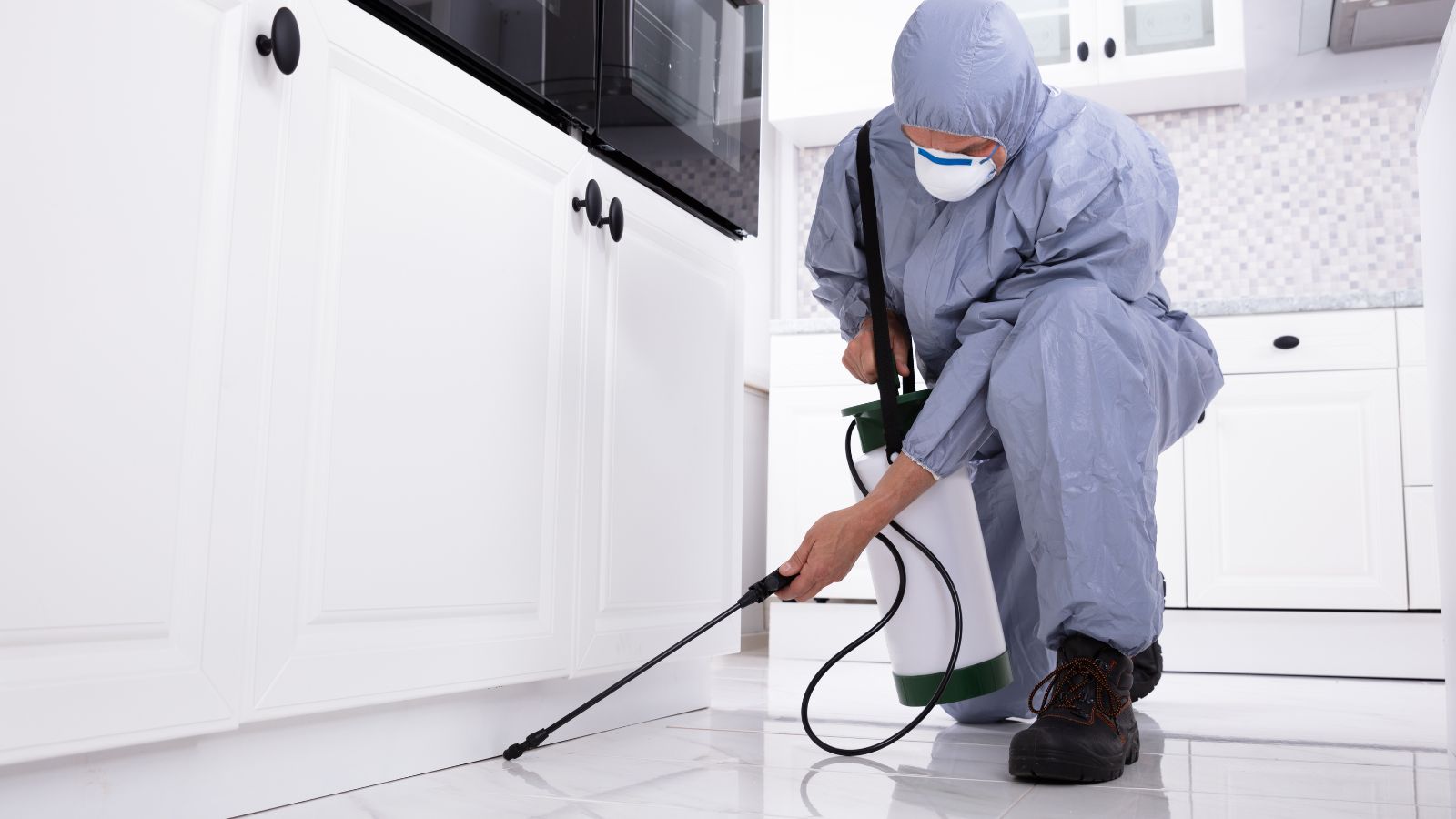
Pest or insect issues can have a significant negative impact on a guest’s experience in a short-term rental, which could result in bad reviews and a damaged reputation. You need to address this issue quickly and effectively to maintain a clean, comfortable stay for all guests.
In this article, we will delve into 11 proactive measures to mitigate pest and insect problems in short-term rentals.
How Pest and Insect Problems Impact Short-Term Rentals
Pest and insect problems can have substantial repercussions for short-term rentals such as Airbnb, VRBO, or other vacation rental properties. First, these issues can significantly mar the experience of renters, who, faced with an infestation, may demand refunds or, worse, leave abrupt, negative reviews influencing the property’s online reputation adversely.
For instance, customers encountering cockroach invasions or bed bug issues may post details of their experience in widely read public forums. This may directly affect bookings, which will have an impact on the property’s revenue. Moreover, costly pest control measures have become a necessity to address these issues, implying an additional and potentially burdensome expenditure for the property owner.
The long-term effects of pest problems can also entail serious health risks for tenants—such as allergies, asthma, or diseases from pest-carried pathogens—leading to potential liability issues for the property owner. Consequently, maintaining a pest-free environment is the key to protecting the investment of property owners in the short-term rental market.
11 Proactive Measures to Mitigate Pest and Insect Problems
1. Regular inspections
Regular inspection of your short-term rental property is a critical step toward pest prevention. Given their size, pests can easily hide unnoticed in tiny gaps and crevices. Conduct frequent thorough inspections, paying close attention to high-risk areas such as kitchens, bathrooms, basements, and external structures. Make use of flashlights and magnifying glasses to detect signs of infestations like droppings or unusual property damage.
2. Timely repairs and maintenance
Pests often inhabit poorly maintained areas, including water-damaged walls or timber or cracks in the walls and floors. Regularly check for and quickly attend to any maintenance issues, such as leaking pipes or cracked tiles, as neglecting these could provide pests with easy access or create a hospitable environment for them to thrive.
3. Professional pest control services
Consider investing in professional pest control services, which provide more thorough inspections and specialized treatments that can help ensure your property remains pest-free. Services typically include regular sprays and traps to deal with common pests and could also cover less common but equally destructive ones, such as termites or bed bugs.
4. Sealing gaps and holes
Small gaps and holes often serve as entry points for pests. Critically examine the property for potential access points—like gaps around pipes or under doors—and effectively seal them using appropriate materials like caulk or steel wool. This proactive approach may take some time, but it dramatically reduces the chance of pests invading your property.
5. Installing screens and nets
Screens and nets are excellent preventive measures against flying insects. Install them on windows, doors, and other openings to keep pests at bay without obstructing light or ventilation. Plus, they can be added and removed easily whenever needed.
6. Regular waste management
Improper waste management can become a breeding ground for pests such as flies, ants, and cockroaches. Maintain a strict waste disposal schedule and make sure that trash bins are adequately sealed to prevent attracting pests. Moreover, consider investing in high-quality trash cans that are designed to keep pests out.
7. Cleanliness and hygiene practices
Maintaining cleanliness and hygiene within the rental property is key to deterring pests. Just make sure all food remnants are cleared immediately and surfaces are thoroughly cleaned. Encourage tenants to keep dishes washed and food properly stored, as even minor food spills or crumbs can attract pests.
8. Managing the landscape
Landscaping elements such as trees and shrubs near the property can serve as bridges for pests to enter. Regularly trim plants so that they’re not touching the exterior of your rental property, and use gravel or rocks instead of mulch next to the property’s foundations, as these are less attractive to pests.
9. Pest-resistant materials
Consider using pest-resistant materials for construction and furniture. For instance, cedar and other types of wood are less appealing to termites. Similarly, metal bins deter rodents more effectively than plastic ones.
10. Regular tenant communication
Ensure open lines of communication with tenants, as they’re often the first to notice any irregularities. Encourage them to swiftly report any signs of pests. This will help you act swiftly before an infestation becomes severe.
11. Proper food storage
Since pests are always on the lookout for food sources, it’s important that all food on the property is stored securely. Use airtight containers for pantry items and do not leave perishable food items unattended for long periods of time. This simple practice can significantly minimize the attraction of several types of pests.
Regular Pest Inspections and Maintenance
Regular pest inspections and maintenance are crucial components of a proactive approach to safeguarding short-term rental properties from infestations. They involve periodic assessments of the premises by property owners or professional pest control services, identifying and resolving issues such as access points, hiding spots, or potential breeding grounds before any real harm can occur.
For example, routine checks for signs of unwanted visitors, like rodent droppings, insect remains, or property damage attributable to pests, facilitate timely interventions. Owners can effectively avoid the negative effects of infestations, such as tenant dissatisfaction, negative reviews, lost revenue, and decreased property value, by implementing preventive measures like sealing gaps, repairing leaks, and addressing sanitation concerns.
Ultimately, regular inspections and maintenance enable property owners to maintain their investments’ attractiveness, ensuring a healthy and comfortable environment for tenants.
Implementing Proper Food Storage and Disposal
Implementing proper food storage and disposal is a pivotal measure for maintaining a pest-free short-term rental property. Considering that food sources act as major attractions for pests, ensuring that all edibles are securely stored can prevent infestations.
This involves using airtight containers for storing food items, particularly pantry staples like sugar, flour, and cereals, which can otherwise easily attract pests like ants or rodents. Equally important is efficient food disposal: leftover food or dirty dishes should not be left out overnight, and waste bins need to be tightly sealed and regularly emptied to avoid becoming a breeding place for pests.
Owners might consider providing guidelines for tenants that stress the importance of cleanliness, diligent waste disposal, and proper storage protocols. These combined efforts can significantly mitigate the likelihood of pest problems, protect the property, and ensure a pleasant stay for tenants.
Keeping the Rental Space Dry and Clean
Maintaining a dry and clean environment is an essential aspect of effective pest management in short-term rental properties. Many pests, such as roaches, mold mites, and silverfish, are attracted to damp and unclean areas for both dwelling and breeding. Ensuring regular and thorough cleaning, particularly in susceptible areas like kitchens and bathrooms, can effectively ward off these pests.
High humidity creates ideal conditions for pests, so you need to swiftly address any leaks or moisture problems within the property. Dehumidifiers can be utilized in naturally damp areas; protective sprays can deter insects from entering; and frequent checks for water buildup in trays under houseplants or refrigerator drip pans help minimize pest lures.
Using Eco-Friendly Pest Control Solutions
Using eco-friendly pest control solutions proves useful in addressing pest issues in short-term rental properties while also minimizing environmental harm. These methods, which prioritize sustainability, typically involve using natural substances or strategic practices to deter pests rather than resorting to chemically harsh, potentially harmful pesticides.
For instance, property owners might opt for natural repellents such as essential oils like eucalyptus or citronella, which deter a variety of insects. Other strategies, like introducing pest-predator species—such as ladybugs for aphid control—or employing biological pesticides, can offer effective, environmentally sound control measures.
A well-maintained property following sustainable practices like proper waste disposal, cleanliness, and preventative maintenance naturally reduces the need for more aggressive pest control treatments.
Securing the Property from Potential Entry Points
Securing a short-term rental property from potential entry points is a major step in preventing pest invasions. Thoroughly inspect the property’s interior and exterior for any gaps, cracks, or holes that may allow pests like rodents, insects, or other unwanted guests to enter.
Pay particular attention to areas around doors and windows, the foundation, and places where pipes or wires penetrate the walls. Once identified, entry points should be quickly sealed using appropriate materials, like caulk for cracks or gaps and steel wool for larger openings, to deter rodents.
Installing weather strips on doors and windows not only keeps pests out but also improves insulation. Make sure vents are covered with fine mesh screens to prevent access while still allowing proper air circulation.
Training Staff on Pest Detection and Reporting
Training staff on pest detection and reporting is an important and often overlooked step in maintaining a pest-free short-term rental property. This entails educating property managers and cleaning staff on the typical indications of pest infestations, such as spotting rodent droppings, ant trails, or subtle signs of termite damage.
This training should also include understanding the behavior of pests and the areas they’re likely to inhabit, such as food storage areas, bathrooms, or basements. Equally crucial is training the staff to swiftly report any signs of pests to the property owners or dedicated pest management team to enable swift action, preventing a minor issue from escalating into a larger infestation.
Regular refresher courses can help keep this knowledge at the forefront, while adding a protocol for staff to follow if pests are found can streamline the process and hasten the response time. This proactive approach takes advantage of the staff’s frequent presence on the property, making them the first line of defense against potential infestations.
Responding Swiftly to Guest Reports About Pests
Responding swiftly to guest reports about pests is essential to safeguarding your short-term rental property’s reputation and occupants’ satisfaction. Quick action demonstrates concern for the well-being of your tenants and helps prevent infestations from escalating, causing potential health issues, property damage, or negative reviews from disgruntled guests.
When receiving a pest-related report, property owners must acknowledge the tenants’ concerns, apologize for the inconvenience, and reassure them that immediate steps will be taken to resolve the issue. A thorough inspection and professional treatment should follow, whether that means engaging a pest control service or implementing appropriate, effective measures as quickly as possible.
Post-treatment, keep the guests informed about the actions and steps taken to avoid future infestations, showcasing your commitment to their safety and comfort.
Educating Guests on Preventing Pest Incidents
Educating guests on preventing pest incidents is a proactive approach to maintaining a pest-free short-term rental property. As many incidents are often the result of actions or negligence on the guests’ part, it’s beneficial to provide clear guidelines on pest prevention measures.
These can include directives for storing food securely in sealed containers, quickly cleaning up spills and crumbs, not leaving dirty dishes overnight, regular disposal of waste, and ensuring windows and doors are kept closed when necessary. Include instructions to report signs of pest presence immediately, which enables swift action to mitigate potential infestations.
These guidelines could be communicated at the time of booking or upon arrival through an information booklet or even in digital format for easy access. Combining this initiative with respectful reminders about their role in maintaining a clean and pest-free environment can significantly contribute to preventing potential pest issues and ensuring a pleasant stay for every guest.
Implementing Seasonal Pest Control Measures
- Summer Pest Control: During the warmer months, pests such as ants, mosquitoes, and flies are more active. So, preventive measures like regularly emptying and cleaning trash bins, keeping windows and doors shut or properly screened, and eliminating standing water, which is a breeding ground for mosquitoes, must be emphasized. Outdoor areas should be kept clean, and the use of natural or eco-friendly repellents can be considered to keep these seasonal pests at bay.
- Autumn and Winter Pest Control: As temperatures drop, pests like rodents and certain insects look for warmer spaces to inhabit, often finding their way into properties. Inspection and sealing off any potential entry points become paramount, as mentioned previously. Regular property checks for signs of nesting, droppings, or other indicators of infestation are essential during this time, and ensuring all areas are well-insulated can deter pests seeking warmth.
- Spring Pest Control: This is a common time for pest breeding, so a proactive approach is vital. Professional pest control services often offer preventative treatments during this season to counteract the impending increase in pest populations. Regular property cleaning remains crucial, especially in areas like the kitchen and bathroom, which often provide the moisture that pests need.
- General Cleaning Schedule: Regardless of the season, maintaining a regular cleaning schedule is critical. This involves regularly cleaning areas where food is stored or prepared, emptying and cleaning bins, and keeping the property clutter-free to eliminate potential hiding or nesting places for pests. This household hygiene could be part of the responsibility shared between rental property staff and guests, making it a consistent practice throughout the year.
- Regular Property Checks: Performing regular property checks allows you to spot any signs of pest activity early and manage them before they escalate. It doesn’t matter the season; pest problems can occur at any time. Keeping an eye out for telltale signs of pests such as droppings, damage to property, burrow marks, and more assists in the early detection and swift action against pest activities.
Dealing with Local Wildlife Potential
Dealing with local wildlife potential as part of pest control for short-term rentals often requires a location-specific approach, especially for properties located near natural habitats or in rural areas. Wildlife such as raccoons, squirrels, bats, and even larger animals like deer could pose challenges ranging from property damage to noise disturbance and health risks.
To deter wildlife from entering the property, secure possible access points like chimneys and vents with the appropriate covers and screens, and make sure doors and windows are not left open unattended. Property perimeter fences could be practical in some instances to discourage larger animals.
For food attractants, secure garbage bins, and do not leave pet food or similar items outside. Introduce natural deterrents, like specific plants that certain local wildlife tends to avoid, into gardens or balconies. Professional wildlife control services can offer advice and solutions tailored to the local fauna. Keep in mind that the majority of wildlife species are subject to legal protection, so handling them should always be humane and ideally carried out by experts.