
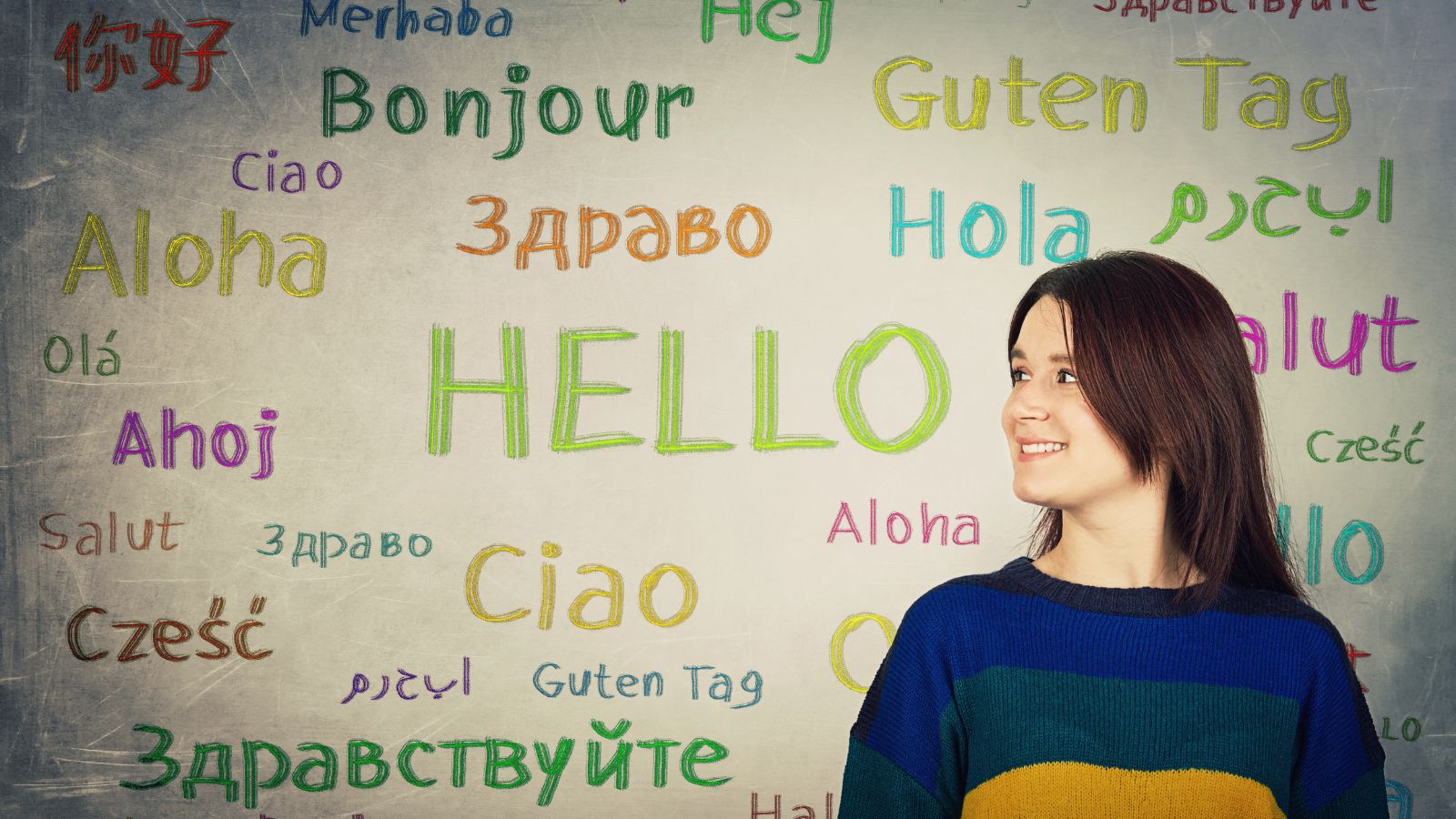
Language barriers can create challenges in short-term rentals, making it difficult for hosts and guests to communicate effectively. This can lead to misunderstandings and less-than-ideal experiences.
In this article, we’ll explore 11 solutions for overcoming language obstacles in short-term rentals.
Recognizing the Impact of Language Barriers
Language barriers have a significant impact on individuals and communities in various aspects of life. In multicultural societies or globalized environments, language barriers can hinder effective communication, leading to misunderstandings, misinterpretations, and even conflicts.
These barriers can also limit access to information, education, healthcare, and employment opportunities. For example, immigrants or non-native speakers may face difficulties in accessing public services or finding jobs that require fluent language skills. Language barriers can create social isolation and exclusion, as individuals may struggle to connect with others or participate fully in social activities.
Recognizing the impact of language barriers is essential for promoting inclusivity, understanding, and equal opportunities for all individuals, regardless of their linguistic background.
11 Solutions for Overcoming Language Obstacles
1. Develop Language Skills through Immersion Programs
Engaging in immersion programs is an effective way to overcome language obstacles. These programs provide a supportive environment where individuals can practice and improve their language skills through constant exposure to the target language. Immersion programs offer a variety of activities, such as language classes, cultural events, and opportunities for conversation with native speakers. Learners can improve their vocabulary, pronunciation, comprehension, and general fluency by immersing themselves in the language. Immersion programs often promote cultural understanding and appreciation, fostering a deeper connection with the language and its speakers.
2. Utilize Language Learning Apps and Online Resources
Language learning apps and online resources provide convenient and accessible tools for overcoming language barriers. These platforms offer interactive lessons, vocabulary exercises, pronunciation guides, and language practice activities. Some apps even incorporate speech recognition technology to provide instant feedback on pronunciation. Moreover, online communities and forums associated with language learning apps can connect learners with native speakers for language exchange and conversation practice. People can improve their language abilities at their own convenience and pace by utilizing these digital resources.
3. Enroll in Language Courses or Classes
Formal language courses or classes provide structured learning opportunities for individuals seeking to overcome language obstacles. These courses are often designed to cater to different proficiency levels and focus on specific language skills such as reading, writing, listening, and speaking. In addition to improving language proficiency, language courses also offer opportunities for social interaction with fellow learners, creating a supportive learning environment. Moreover, language classes taught by experienced instructors can provide valuable insights into the cultural nuances associated with the language, enhancing overall communication abilities.
4. Find Language Exchange Partners
Language exchange partnerships allow individuals to practice their target language with native speakers while offering assistance in return. This mutually beneficial arrangement enables learners to improve their language skills through real-life conversations and cultural exchange. Language exchange partners can help learners grasp colloquial expressions, idioms, and cultural references that may not be covered in formal language education. Various online platforms and local community organizations facilitate finding language exchange partners, making it easier to connect with individuals who share similar language learning goals.
5. Immerse Yourself in Authentic Media
Exposing oneself to authentic media such as movies, TV shows, podcasts, music, and books in the target language can greatly enhance language skills. Authentic media provides a real-world context for learning vocabulary, understanding cultural references, and improving listening comprehension. It helps learners become familiar with different accents, regional dialects, and colloquial expressions. Engaging with authentic media not only improves language proficiency but also enables individuals to gain insights into the culture and customs of the language they are learning.
6. Practice Active Listening and Conversation
Active listening and engaging in conversations are vital for overcoming language barriers. Actively listening to native speakers helps learners develop an ear for the language’s rhythm, intonation, and pronunciation. It is essential to focus on comprehension rather than trying to translate every word individually. Engaging in conversations with native speakers helps improve fluency and confidence in using the language. Practicing conversation in everyday situations, such as ordering food or asking for directions, can make learners more comfortable with using the language in real-life scenarios.
7. Join Language Study Groups or Clubs
Participating in language study groups or clubs provides a supportive community for practicing the target language. These groups often organize regular meetings or virtual sessions where learners can engage in discussions, debates, or group activities centered around the language. Language study groups can offer a platform for sharing learning materials, exchanging tips and resources, and providing feedback on each other’s progress. Such collaborative learning environments foster motivation, accountability, and camaraderie among learners.
8. Seek Out Language Immersion Opportunities Abroad
Traveling or studying abroad in a country where the target language is spoken fluently provides an immersive experience that accelerates language acquisition. By forcing learners to use the target language to adapt to everyday situations, being around native speakers promotes rapid improvement of language skills. While abroad, individuals have numerous opportunities to engage in conversations with locals, participate in cultural activities, attend language schools, and explore the country’s traditions firsthand. Immersion programs abroad offer a unique chance to deepen linguistic proficiency while gaining valuable cross-cultural experience.
9. Use Visual Aids and Contextual Cues
Visual aids and contextual cues can significantly aid in overcoming language barriers. Associating new vocabulary with images or visual representations helps reinforce memory retention. Flashcards or digital apps that utilize visual prompts can be particularly helpful in expanding vocabulary effectively. Paying attention to non-verbal cues such as facial expressions, body language, and gestures can enhance understanding during conversations where verbal communication may be challenging due to the language barrier.
10. Practice Patience and Perseverance
Overcoming language obstacles requires patience and perseverance. Language learning is a gradual process that takes time and consistent effort. It is essential to set realistic goals and celebrate small victories along the way to stay motivated. Making mistakes while learning a new language is inevitable, but rather than letting them demotivate you, embrace them as opportunities for improvement. Maintaining a positive mindset and being persistent in practicing the language will ultimately lead to success.
11. Embrace Cultural Exchange Opportunities
Embracing cultural exchange opportunities fosters not only linguistic growth but also intercultural understanding. Participating in cultural festivals, events, or workshops allows individuals to immerse themselves in the customs, traditions, and values associated with the target language. Engaging with diverse communities and being open-minded about different cultures expands one’s worldview and empathy towards others. People can foster mutual understanding between diverse communities and strengthen their bond with the language they are learning by embracing cultural exchange.
Leveraging Online Translation Tools
Leveraging online translation tools, such as Google Translate, can be a valuable resource for overcoming language barriers. These tools provide instant translation of words, phrases, and even entire sentences or paragraphs between different languages.
Online translation tools are especially useful when faced with unfamiliar words or when attempting to understand written text in a foreign language. They offer a quick and accessible way to obtain a basic understanding of the content.
However, online translation tools may not always provide the most accurate or nuanced translations, as they rely on algorithms and predefined language patterns. Therefore, it’s best to use them as a starting point for comprehension and seek further clarification or confirmation from native speakers or language experts when needed.
Utilizing Multilingual Customer Support Contact
Utilizing multilingual customer support contact can greatly assist in overcoming language barriers and ensuring effective communication between businesses and their diverse customer base. Businesses can meet the needs of clients who might not be proficient in the primary language of operation by providing customer support in multiple languages.
This enables customers to express their concerns, ask questions, or seek assistance in their preferred language, leading to enhanced customer satisfaction. Multilingual customer support can be provided through various channels, such as phone, email, live chat, or even social media platforms. It allows customers to communicate comfortably and confidently, resulting in a more positive customer experience.
For example, a multinational company with customers from different countries can provide customer support in languages like English, Spanish, Mandarin, French, and German, ensuring that customers can interact effortlessly in their native language.
Providing Translated Property Listings
Providing translated property listings is an effective strategy for overcoming language barriers and reaching a wider audience in the real estate market. By offering property listings in multiple languages, real estate agents and agencies can cater to the needs of potential buyers or renters who may not be proficient in the primary language of the listings.
Translated property listings enable individuals from diverse linguistic backgrounds to access and understand the details of available properties, including descriptions, features, amenities, and pricing. This not only increases the chances of attracting a larger pool of interested buyers or renters but also promotes inclusivity and equal access to housing opportunities.
For instance, a real estate agency operating in a multicultural city can provide property listings in languages such as English, Spanish, Chinese, Arabic, and more, allowing individuals from different language backgrounds to engage with the listings in a comprehensive and meaningful way.
Offering Local Recommendations in Multiple Languages
Offering local recommendations in multiple languages is a valuable approach to bridging language barriers and providing a personalized experience for individuals from different linguistic backgrounds. Travel agencies, businesses, and online platforms can accommodate a wide range of customer preferences and needs by offering recommendations in multiple languages.
These recommendations can include suggestions for local attractions, restaurants, events, or hidden gems in a particular area. Businesses can guarantee that people feel comfortable and empowered to explore and enjoy their surroundings by providing information in multiple languages.
For example, a travel website can provide local recommendations in languages such as English, French, Spanish, Japanese, and Italian, allowing travelers from different parts of the world to access relevant information and make the most of their visit. This approach not only enhances customer satisfaction but also fosters a sense of inclusivity and cultural appreciation.
Incorporating Visuals to Enhance Communication
Incorporating visuals is a powerful method to enhance communication and overcome language barriers. Visuals, such as images, infographics, diagrams, or videos, can convey information in a way that transcends language barriers and facilitates understanding for individuals with different linguistic backgrounds.
Businesses, educators, and presenters can effectively convey complex concepts, instructions, or ideas without depending exclusively on written or spoken language when they use visual aids. Visuals can simplify information, make it more engaging, and appeal to different learning styles.
For example, an international conference may utilize visual presentations with minimal text to ensure comprehension among attendees from various countries. Similarly, businesses can incorporate visual aids in their marketing materials to showcase product features and benefits, appealing to a broader audience.
Employing Language Learning Resources
Employing language learning resources is a valuable approach to overcoming language barriers and enhancing communication skills. Language learning resources include textbooks, online courses, language exchange platforms, mobile applications, and language learning communities. These resources provide structured learning materials, interactive exercises, and opportunities for practice and immersion.
Language learners can utilize these resources to improve vocabulary, grammar, pronunciation, and overall language proficiency. For instance, online language courses offer comprehensive lessons, quizzes, and interactive activities tailored to different proficiency levels. Language exchange platforms connect learners with native speakers for conversation practice and cultural exchange. Mobile applications provide convenient access to language learning materials on the go.
Collaborating with Local Interpreters
Collaborating with local interpreters is a highly effective strategy for overcoming language barriers and facilitating smooth communication in various contexts. Local interpreters are skilled professionals who possess fluency in multiple languages and cultural knowledge, enabling them to accurately convey messages between parties with different language backgrounds.
Whether it’s in business meetings, conferences, healthcare settings, legal proceedings, or community events, interpreters play a big role in ensuring accurate and culturally appropriate communication. They can interpret spoken language in real-time, allowing individuals to understand and participate fully in conversations and interactions.
Collaborating with local interpreters not only improves comprehension but also fosters trust, respect, and inclusivity, as it demonstrates a commitment to effective communication with diverse individuals and communities. For example, a multinational company organizing a conference may hire local interpreters proficient in the languages spoken by attendees to ensure seamless communication throughout the event.
Encouraging Cultural Exchange Between Hosts and Guests
Encouraging cultural exchange between hosts and guests is a powerful approach to breaking down barriers, fostering understanding, and creating enriching experiences for both parties. Through encouraging cultural exchange, hosts can give visitors the chance to discover their unique customs, traditions, and way of life while also giving visitors the chance to share their own cultural background and viewpoints.
This exchange can take various forms, such as organized cultural events, language exchange sessions, cooking classes featuring local cuisine, or guided tours highlighting the host’s cultural heritage. Encouraging open dialogue and curiosity about each other’s cultures can lead to mutual respect, appreciation, and the development of meaningful connections.
For instance, a homestay program in a foreign country may encourage hosts and guests to participate in cultural activities together, such as attending local festivals or visiting historical landmarks, allowing for genuine cultural immersion and knowledge sharing.
Promoting Clear Communication and Active Listening
Promoting clear communication and active listening is essential for overcoming language barriers and ensuring effective understanding between individuals. Clear communication involves using simple language, avoiding jargon or slang, and speaking at a moderate pace. You have to articulate words clearly, use gestures or visual aids when necessary, and check for comprehension through feedback or clarification questions.
Active listening, on the other hand, involves giving full attention to the speaker, maintaining eye contact, and being present in the conversation. It is the key to being patient, not interrupting, and asking for repetition or explanation when needed. People can clear up misconceptions, strengthen relationships, and overcome language barriers by encouraging clear communication and attentive listening.
For example, in a business meeting with participants from different language backgrounds, a facilitator can encourage clear communication by setting ground rules for speaking clearly and succinctly, while also promoting active listening by reminding participants to ask for clarification if they do not understand something.
Building a Support Network of Multilingual Hosts
Building a support network of multilingual hosts is a valuable strategy for addressing language barriers and creating inclusive environments for individuals with diverse linguistic backgrounds. Multilingual hosts, proficient in multiple languages, can provide valuable support and assistance to guests or community members who may face challenges due to language differences.
These hosts can offer language assistance, interpretation services, and cultural guidance, ensuring that individuals feel welcomed and understood. Businesses, hospitality services, or community organizations can improve the overall experience for their customers or guests by utilizing the language skills of multilingual hosts.
For instance, a tourism agency can recruit multilingual hosts who can communicate fluently in languages such as English, Spanish, Mandarin, and French, thereby accommodating the needs of a wide range of international travelers.