
Guests prioritize safety when choosing short-term rental properties. Inadequate security measures can deter potential renters and negatively impact the rental’s reputation.
In this article, we will explore 11 essential security upgrades for short-term rentals that property owners should consider.
The Consequences of Inadequate Security Measures
- Data Breaches: Inadequate security measures can lead to data breaches, where unauthorized individuals gain access to sensitive information. This can result in the exposure of personal data, financial information, or trade secrets. For example, a company’s customer database is being hacked and customer credit card information is being stolen.
- Financial Loss: Inadequate security measures can lead to financial loss for organizations. This can occur through various means, such as theft of funds, fraudulent transactions, or legal penalties due to non-compliance. For instance, a company may suffer significant financial damages if cybercriminals successfully carry out a ransomware attack and demand a large sum of money to release encrypted files.
- Reputation Damage: Inadequate security measures can damage an organization’s reputation. When customers or partners lose trust in an organization’s ability to protect their data, they may choose to discontinue business relationships or avoid using its products or services. A high-profile data breach can result in negative media coverage and public scrutiny, further tarnishing the organization’s reputation.
- Operational Disruption: Inadequate security measures can disrupt an organization’s operations. For example, a successful cyber attack may lead to system downtime, rendering critical services or processes inaccessible. This can cause productivity losses, delays in delivering products or services, and negatively impact customer satisfaction.
- Legal Consequences: Inadequate security measures can have legal ramifications for organizations. Depending on the jurisdiction and industry, organizations may be subject to fines, lawsuits, or regulatory actions for failing to adequately protect sensitive data. For instance, non-compliance with data protection regulations like the General Data Protection Regulation (GDPR) can result in significant penalties.
- Intellectual Property Theft: Inadequate security measures can expose organizations to the theft of intellectual property. This includes proprietary technologies, product designs, or trade secrets. Intellectual property theft can have long-lasting negative effects on an organization’s competitive advantage and market position.
- Loss of Customer Trust: Inadequate security measures can erode customer trust. When customers feel their personal information is not adequately protected, they may lose confidence in an organization’s ability to safeguard their data. This loss of trust can lead to a decline in customer loyalty and potential revenue loss as customers seek out more secure alternatives.
11 Essential Security Upgrades for Short-Term Rentals
1. Enhanced Door Security
Installing robust door locks and deadbolts is essential for short-term rentals. Consider upgrading to smart locks that offer features like keyless entry, temporary access codes, and remote monitoring. Reinforce doors with security plates and strike plates to prevent forced entry. Inform guests about the importance of securely locking doors and provide clear instructions on how to operate the locks.
2. Video Surveillance Systems
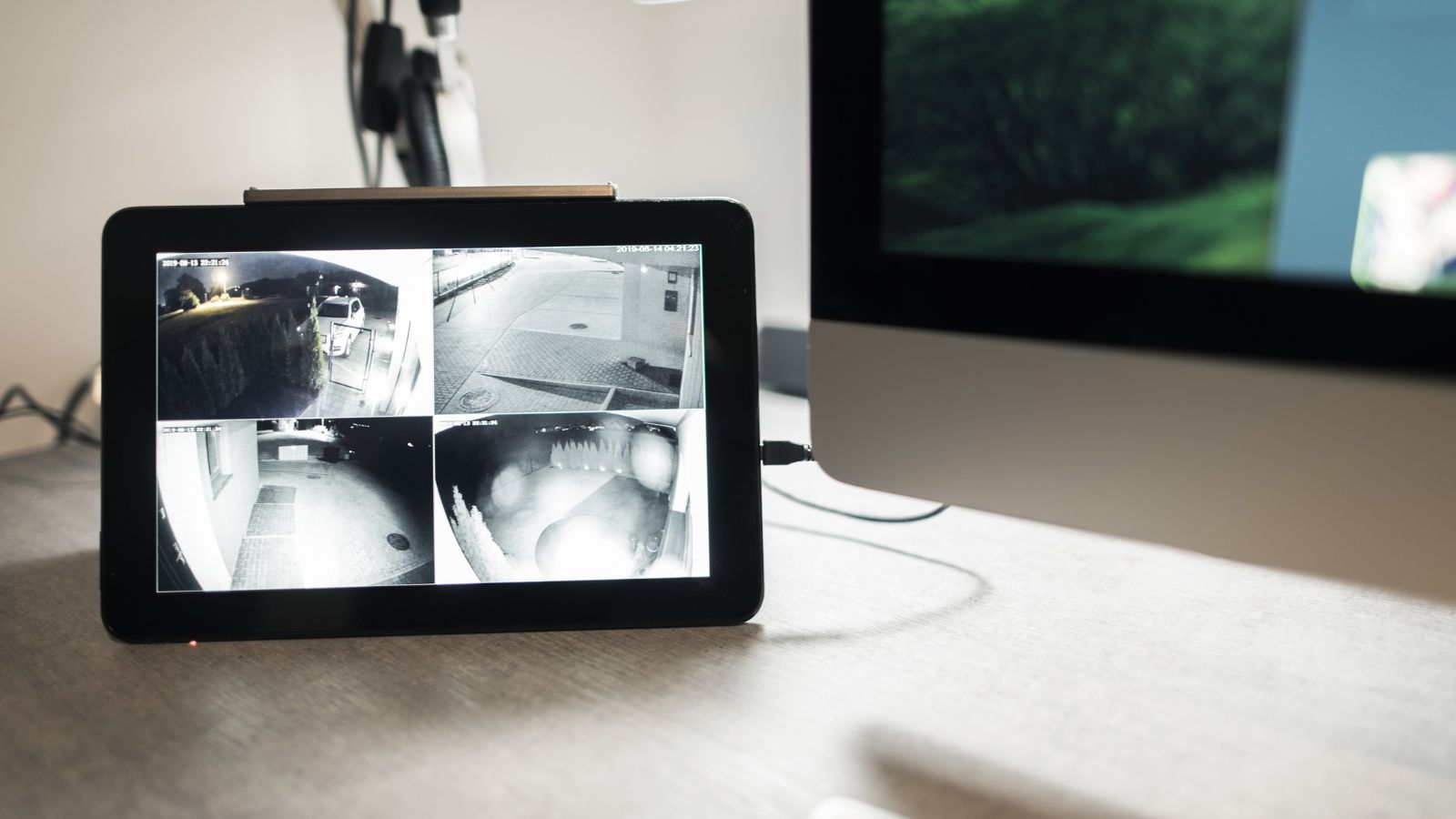
Installing video surveillance cameras in common areas can deter potential intruders and provide valuable evidence in the event of any incidents. Opt for high-definition cameras with night vision capabilities and make sure proper placement for maximum coverage. Inform guests about the presence of video surveillance for transparency and security purposes.
3. Secure Wi-Fi Network
Secure your short-term rental’s Wi-Fi network to protect both your guests and your property. Use strong encryption protocols (such as WPA2) and change the default network names and passwords. Regularly update your router’s firmware to address any security vulnerabilities. Provide clear instructions to guests on how to connect securely to your Wi-Fi network and emphasize the importance of avoiding suspicious or unsecured networks.
4. Guest Identity Verification
Implement a guest identity verification process to minimize the risk of unauthorized individuals accessing your property. Request identification documents from guests during the booking process and verify their authenticity. This can be done through secure platforms or by requesting scanned copies of official documents. Just make sure that you handle guest data responsibly and securely.
5. Secure Storage for Valuables
Provide secure storage options for guests to store their valuable belongings during their stay. Consider installing safes or lockable cabinets in each rental unit. Clearly communicate the availability of secure storage to guests and provide instructions on how to properly use these facilities.
6. Emergency Preparedness Information
Create a detailed guide that covers emergency procedures and important contact information for guests. Include instructions on what to do in case of fire, medical emergencies, or natural disasters. Provide contact numbers for local emergency services, nearby hospitals, and other relevant services. Make this information easily accessible within the rental unit, such as by posting it on a bulletin board or including it in a welcome packet.
7. Secure Outdoor Areas
Pay attention to the security of outdoor spaces, such as balconies, patios, or gardens, in your short-term rental property. Just make sure that fences, gates, and other access points are secure and well-maintained. Consider installing motion sensor lighting to deter potential intruders at night. Communicate any outdoor security measures or guidelines to guests.
8. Regular Property Inspections
Conduct regular inspections of your short-term rental property to identify any security vulnerabilities or maintenance issues. Check door locks, windows, alarm systems, and other security features so that they are in proper working condition. Promptly address any identified issues to maintain a secure environment for your guests.
9. Guest Education on Security Practices
Educate your guests about security practices and precautions they should take during their stay. Provide clear instructions on how to operate security features, such as door locks or alarm systems. Advise them on general safety measures like not sharing access codes with unauthorized individuals and being cautious with personal belongings.
10. Adequate Exterior Lighting
Make sure the exterior areas surrounding your short-term rental property are well-lit to enhance visibility and deter potential intruders. Install bright LED lights around entryways, walkways, and parking areas. Consider using motion sensor lighting to conserve energy while providing additional security during nighttime hours.
11. Regular Security Audits
Periodically review and update your security measures by conducting comprehensive security audits. Stay updated on the latest security technologies, practices, and regulations relevant to short-term rentals. Seek professional advice if needed to identify areas where improvements can be made and implement necessary upgrades.
Install Reliable Door Locks and Window Latches
Installing reliable door locks and window latches is a vital security measure for any property, including short-term rentals. High-quality door locks and window latches provide an added layer of protection against unauthorized entry and potential break-ins.
Opt for locks that meet industry standards and have features such as anti-pick, anti-drill, and anti-bump capabilities. Reinforce the door frame and strike plate with heavy-duty materials to prevent forced entry. For windows, consider installing window latches that allow for limited opening while still providing security.
Properly maintained and functioning locks and latches make sure guests feel safe during their stay and help deter potential intruders from attempting unauthorized access. You have to emphasize to guests the importance of securely locking doors and windows when leaving the property to maintain a secure environment.
Use Smart Locks and Keyless Entry Systems
Utilizing smart locks and keyless entry systems can significantly enhance the security and convenience of short-term rentals. Smart locks offer advanced features such as keyless entry, temporary access codes, and remote monitoring capabilities.
Guests can conveniently access the rental property using a unique code or even their smartphones, eliminating the need for physical keys that can be lost or duplicated. This technology provides a higher level of security, as access codes can be easily changed after each guest’s stay, reducing the risk of unauthorized entry. Some smart locks also offer integration with home automation systems, allowing hosts to remotely monitor and control access to their property.
For instance, hosts can receive real-time notifications when someone enters or leaves the premises. This not only enhances security but also provides hosts with valuable insights into guest activity.
Employ Video Surveillance and Monitoring
Employing video surveillance and monitoring systems is a valuable security measure for short-term rentals. Installing video surveillance cameras in common areas can act as a deterrent to potential intruders and provide valuable evidence in the event of any incidents.
Opt for high-definition cameras with night vision capabilities to ensure clear footage even in low-light conditions. Proper camera placement is the key to maximizing coverage and capturing important areas such as entrances, hallways, and parking lots. Hosts can monitor the live feed or review recorded footage remotely using a computer or smartphone, providing peace of mind and allowing for prompt action if any suspicious activities are detected.
You have to inform guests about the presence of video surveillance for transparency and security purposes, ensuring compliance with privacy regulations.
Implement Security Alarm Systems
Implementing security alarm systems is an effective measure to enhance the safety and security of short-term rental properties. These systems can provide an immediate alert in case of unauthorized entry or suspicious activities, acting as a deterrent to potential intruders.
Security alarms typically consist of sensors placed on doors, windows, and other entry points, which trigger an audible alarm when a breach is detected. Some advanced systems also include motion sensors and can be integrated with monitoring services for added protection. In the event of an alarm activation, hosts can be immediately notified via smartphone notifications or through a professional monitoring service.
This allows for a quick response and appropriate action to address any security threats. Informing guests about the presence of security alarm systems can also serve as a deterrent and reassure them of their safety during their stay.
Ensure Proper Lighting in and Around the Property
Ensuring proper lighting in and around the property is an essential security measure for short-term rentals. Sufficient lighting helps enhance visibility, deter potential intruders, and create a safer environment for guests. Focus on areas such as entryways, walkways, parking lots, and outdoor spaces that may be susceptible to unauthorized access.
Install bright LED lights that illuminate these areas effectively, particularly during nighttime hours. Consider using motion sensor lighting to conserve energy while providing an additional layer of security. Well-lit surroundings not only help guests feel more secure but also assist in deterring criminal activities by making it more difficult for individuals to go unnoticed. You have to regularly inspect and maintain the lighting fixtures so that they are functioning properly.
Maintain Privacy through Window Coverings and Fencing
Maintaining privacy through window coverings and fencing is an important aspect of security for short-term rentals. Window coverings such as curtains, blinds, or shades allow guests to control the level of privacy in their rental unit, shielding them from prying eyes. Just make sure that the window coverings are in good condition and provide adequate coverage.
Consider installing privacy film on ground-level windows to prevent outsiders from easily looking inside. Fencing around the property can also enhance privacy and security. A well-maintained fence acts as a physical barrier, preventing unauthorized individuals from easily accessing the premises. Choose fencing materials that are durable and difficult to climb or breach. Properly installed fencing can create a sense of seclusion and discourage unwanted intrusion.
Provide a Safe to Secure Valuables
Providing a safe to secure valuables is a valuable security measure for short-term rentals. Installing a safe in each rental unit allows guests to store their valuable belongings with peace of mind. Choose a safe that is sturdy, tamper-resistant, and securely anchored to the floor or wall.
Safes with electronic or biometric locking mechanisms offer convenience and added security. Clearly communicate the availability of a safe to guests and provide instructions on how to properly use it. Emphasize the importance of selecting a unique code or utilizing their own personal biometric data for access.
Use Security Signs and Stickers
Using security signs and stickers is a simple yet effective way to enhance the security of short-term rentals. Displaying security signs or stickers prominently on the property’s exterior can act as a visual deterrent to potential intruders. Even if they are not visible, these signs show that there are security measures in place to protect the property, such as alarm systems or video surveillance.
The presence of these signs can discourage criminals from targeting the property as they seek easier targets. Security signs can provide reassurance to guests, making them feel safer during their stay. You have to select signs and stickers that are professional-looking and clearly convey the message of security.
Regularly Assess and Update Security Measures
Regularly assessing and updating security measures is a vital practice for maintaining the effectiveness of security in short-term rentals. Security threats and vulnerabilities evolve over time, so it is important to stay proactive and adapt accordingly. Conduct regular security assessments to identify any weaknesses or areas for improvement.
This can involve evaluating the functionality of locks, alarm systems, surveillance cameras, and other security features. Stay informed about the latest security technologies and best practices to ensure your measures remain up-to-date. Periodically review access control procedures, guest verification processes, and emergency preparedness protocols.
Offer Local Emergency Contact Information to Guests
Providing local emergency contact information to guests is a vital aspect of ensuring their safety and security during their stay at a short-term rental. Hosts should offer clear and easily accessible information about local emergency services, such as the contact numbers for police, fire departments, and medical facilities. Including contact information for nearby hospitals, urgent care centers, and other essential services can be invaluable in the event of an emergency.
This information should be readily available within the rental unit, such as in a welcome packet or prominently displayed in a visible area.