
Technology continues to revolutionize every industry, and short-term rentals are no exception. From seamless booking platforms to smart homes, tech innovations are reshaping the future of short-term rentals, improving both the guest experience and the ease of property management.
In this article, we’ll explore the impact of technology on the short-term rental industry.
6 Tech Innovations Changing the Short-Term Rental Scene
1. Smart Home Technologies
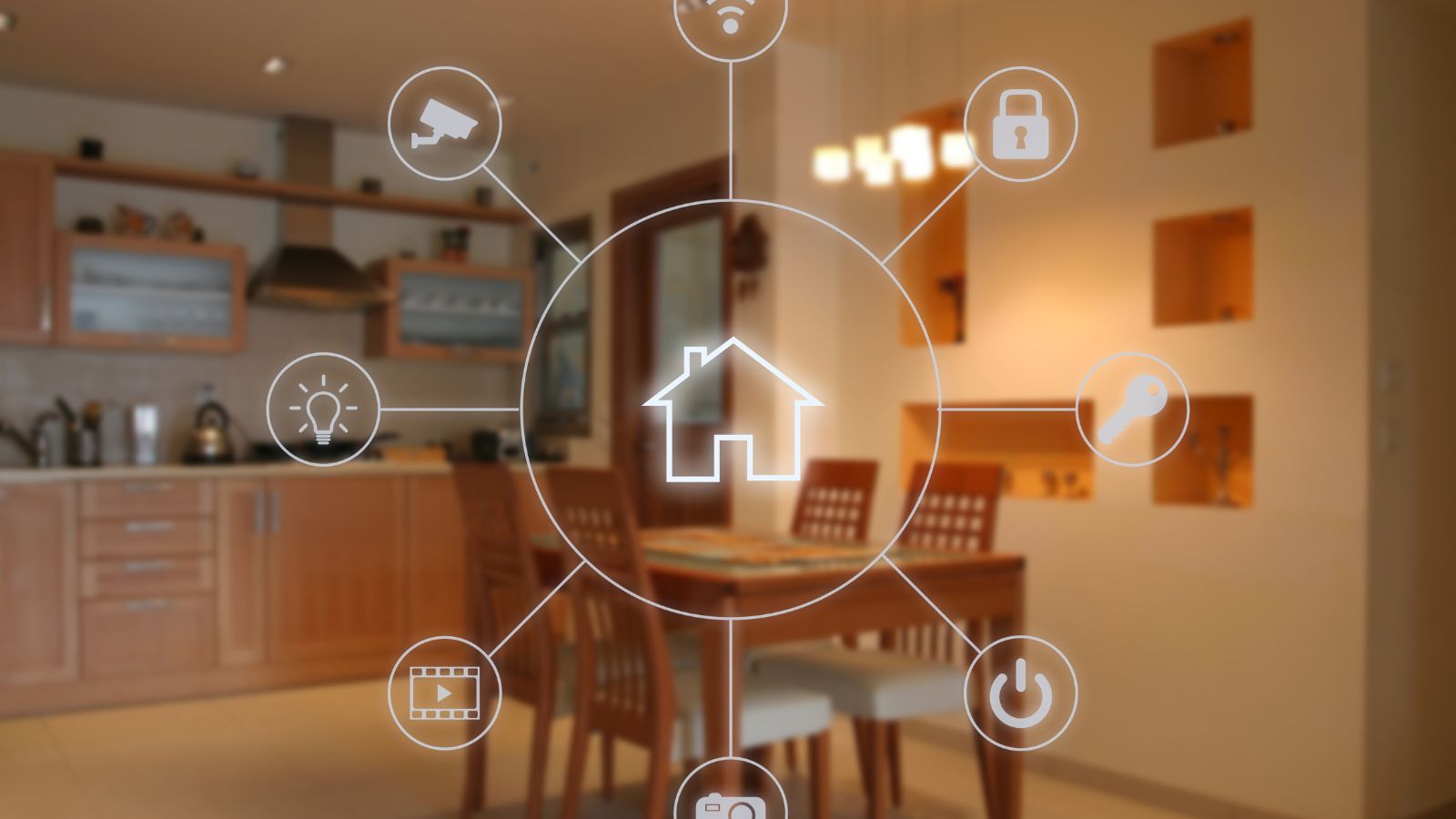
Smart home technologies are revolutionizing the short-term rental industry. With features like keyless entry, smart thermostats, and voice-enabled devices, hosts can provide a seamless and modern experience for their guests. Not only do these technologies increase the ease and convenience of managing properties, but they also contribute to a substantial increase in guest satisfaction. As a host, investing in these technologies can help differentiate your property, enhance your guests’ experience, and possibly increase your rental income.
2. Dynamic Pricing Tools
Dynamic pricing tools such as Beyond Pricing and PriceLabs have helped property owners maximize their rental earnings. Using algorithms, these tools adjust your listing prices based on supply and demand factors like local events and seasonal trends. They take the guesswork out of pricing and reduce the risk of losing potential earnings due to incorrect pricing. This technology is scalable and equally effective, whether you manage one property or a hundred.
3. Virtual Reality
Virtual reality (VR) is shaking up the short-term rental industry, offering unique and interactive ways for guests to explore properties before booking. Instead of relying on static images, hosts can now offer virtual tours of their property, providing a more realistic representation. Adopting VR for your property can give you a competitive edge and help attract more bookings, especially from guests who prioritize a better understanding of the space.
4. Automated Guest Communication
Automated guest communication tools help hosts streamline their operations and free up time for other important tasks. These solutions can automate various tasks, like sending welcome messages, providing check-in and check-out instructions, and answering frequently asked questions. They not only improve the efficiency of your operations but also make sure every guest receives timely and accurate information.
5. Eco-friendly Technologies
In response to growing demands for sustainability, there are now eco-friendly technologies that hosts can incorporate into their properties. Innovations like solar panels, energy-efficient appliances, and smart waste management systems can help decrease the environmental impact of your property and make it more appealing to eco-conscious travelers. Promoting your eco-friendly practices can also help distinguish your property in a crowded marketplace.
6. Property Management Software
Property management software like Tokeet and Lodgify simplifies the management process for hosts. They centralize tasks like booking management, financial reporting, and calendar synchronization, making it easier for hosts to manage multiple properties at once. For hosts, understanding and utilizing property management software can bring increased organization, efficiency, and profitability.
Streamlining Operations: How Tech Helps Rental Owners
Technology plays a pivotal role in streamlining operations for rental property owners, enhancing efficiency and profitability. For example, property management software consolidates various administrative tasks such as booking management, financial reporting, and calendar synchronization into a centralized platform. This not only simplifies operations but also minimizes the risk of human error.
Similarly, smart automated guest communication tools help to maintain consistency and accuracy in responding to inquiries, saving valuable time and effort. Meanwhile, dynamic pricing tools apply intricate algorithms to fluctuate rental prices in real-time based on demand and supply factors, making it easier for owners to optimize their earnings without having to manually monitor market trends.
Exciting advancements like virtual reality offer interactive property previews, allowing potential guests to explore and appreciate the space remotely before booking, thus increasing conversion rates. Technology, therefore, continues to innovate and redefine property management, giving rental owners essential tools to stay competitive in the ever-evolving rental market.
Risks and Opportunities: An Evaluation of Tech Implementations
The implementation of tech innovations in the property rental space simultaneously presents both risks and opportunities. By adopting new technologies, hosts can significantly boost operational efficiency, guest satisfaction, and business competitiveness. For instance, employing smart home technologies promises increased convenience for guests, while eco-friendly innovations cater to the growing demand for sustainable travel options.
Furthermore, virtual reality enhances property previews, often resulting in better conversion rates. However, embracing these technological advancements also introduces potential risks, such as initial investment costs, dependency on complex systems, and potential privacy issues. Adopting emerging technologies may also necessitate continuous updates and maintenance, adding to operational costs.
Therefore, property owners must carefully assess their specific needs and resources, evaluating the long-term benefits and potential drawbacks of integrating new technologies, in order to strike a balance and successfully harness the potential of innovations in the short-term rental landscape.
Leveraging Smart Tech for Energy Efficiency
Leveraging smart technology has become an increasingly popular strategy among property owners to achieve energy efficiency in their rentals. Smart thermostats, for example, can learn guest behavior and adjust the temperature accordingly, conserving energy when the property is unoccupied.
Automated lighting systems can also help reduce energy consumption by operating on a schedule or motion sensor system to guarantee that lights are not left unnecessarily on. The use of energy-efficient smart appliances conserves energy and reduces utility costs. These appliances not only communicate their status and energy use but can also be remotely controlled for optimal efficiency.
Furthermore, a key benefit of many smart technologies is their ability to provide detailed feedback on energy usage patterns, enabling property owners to make informed decisions about energy use for additional cost savings. In tandem with these technologies, the integration of renewable energy sources, like solar panels, into rental properties can drastically reduce reliance on traditional energy sources.
Thus, the adoption of smart technology provides effective ways for property owners to increase energy efficiency and promote a more sustainable approach to running their rental properties.
Enhancing Safety and Security with Technology
Technology plays an essential role in addressing the critical concern of improving the safety and security of rental properties. Smart home gadgets such as smart locks offer keyless entry options, minimizing the risk of unauthorized access and lost keys while allowing hosts to control and monitor who enters their property.
Security cameras, both indoors and outdoors, not only serve as a deterrent for potential wrongdoers but also provide useful evidence in unforeseen circumstances. Smoke detectors and carbon monoxide sensors connected to the internet can provide real-time alerts to hosts and guests, enhancing response times during emergencies. Systems that detect water leaks contribute to property protection by preventing potential damages from unnoticed leaks.
Finally, emergency response features in smart home systems can allow guests to instantly alert authorities in case of emergencies. Guests must be informed and use these devices responsibly, as privacy is of the utmost importance when implementing these systems.
Future Tech Trends to Keep an Eye On
- Blockchain and Decentralized Booking Platforms: Blockchain technology promises a potential shift in how booking platforms operate. Employing decentralization, these platforms could offer cheaper, more secure, and more transparent transactions, eliminating the need for intermediaries. For instance, decentralized identity verification could increase confidence in guest and host interactions.
- Artificial Intelligence and Machine Learning: These tools are projected to play even more significant roles in property management, from predictive maintenance, where AI can use data to predict when appliances or features in a property could break or need servicing, to more sophisticated algorithms for dynamic pricing.
- Internet of Things (IoT): As IoT devices become more advanced, they can offer more detailed analytics about a property’s usage, including energy consumption patterns or usual wear and tear. This information can help hosts manage their properties more efficiently.
- Biometric Technology: While its use is currently more prominent in the luxury rental market, biometrics, such as fingerprint and facial recognition technology, could become more common to enhance security and personalization in short-term rentals.
- Sustainable Tech: As the green trend continues to rise, keep an eye on more sustainable tech, such as water conservation systems and energy storage solutions. These green technologies can cut down on utility costs while promoting sustainability.
- Robotics: In the future, we might see more use of technology like robots for cleaning and maintenance, especially in high-volume properties. Similarly, drones could potentially be used for property surveillance or showcasing properties to potential renters from a unique aerial view.
- 5G and Wi-Fi 6: More reliable and faster internet connections with 5G or Wi-Fi 6 will boost the possibilities with smart home technology and provide a better guest experience in terms of digital entertainment and communication.
How to Keep Up with the Rapid Evolution of Technology in Short-Term Rentals
As technology continues to evolve rapidly in the short-term rental industry, keeping up can seem daunting. However, there are several strategies hosts can employ to stay informed. Subscribing to industry-specific newsletters, following related blogs and news sites, and becoming part of online communities or forums dedicated to short-term rental hosting can provide valuable insights and updates about the latest trends and technologies.
Attending industry conferences and webinars can offer exposure to new advancements and an opportunity to learn from experts. Engaging with fellow hosts and property managers can also provide practical, first-hand information about beneficial technologies and their implementation.
Another key method is to seek feedback from guests, as their user experiences can often highlight areas that could benefit from new tech solutions. More importantly, a willingness to adapt and experiment with new technologies, balanced with a careful evaluation of their benefits versus cost and complexity, is essential for successfully navigating the rapid evolution of technology in the short-term rental industry.
Rules and Regulations: Understanding the Legal Aspects of Tech Implementations
Navigating the legal landscape in relation to technology implementation in the short-term rental industry is vital for property owners. While technological advancements can greatly enhance efficiency and the guest experience, they must always comply with local, regional, and national laws. For example, using smart home devices like security cameras must adhere to privacy laws; it’s necessary that surveillance does not violate a guest’s reasonable expectation of privacy, such as in bathrooms or bedrooms.
Similarly, data collected through smart devices or booking platforms must be handled according to data protection regulations (like GDPR in Europe), ensuring that guests’ personal information is collected, stored, and used responsibly. Innovation in the sharing economy also bumps up against zoning laws and short-term rental regulations.
In many locales, using residential properties for commercial purposes (like short-term rentals) is strictly regulated. As such, the onus falls on the property owners to familiarize themselves with the relevant laws and verify that their tech-driven, short-term rental operations are within the bounds of the law.