
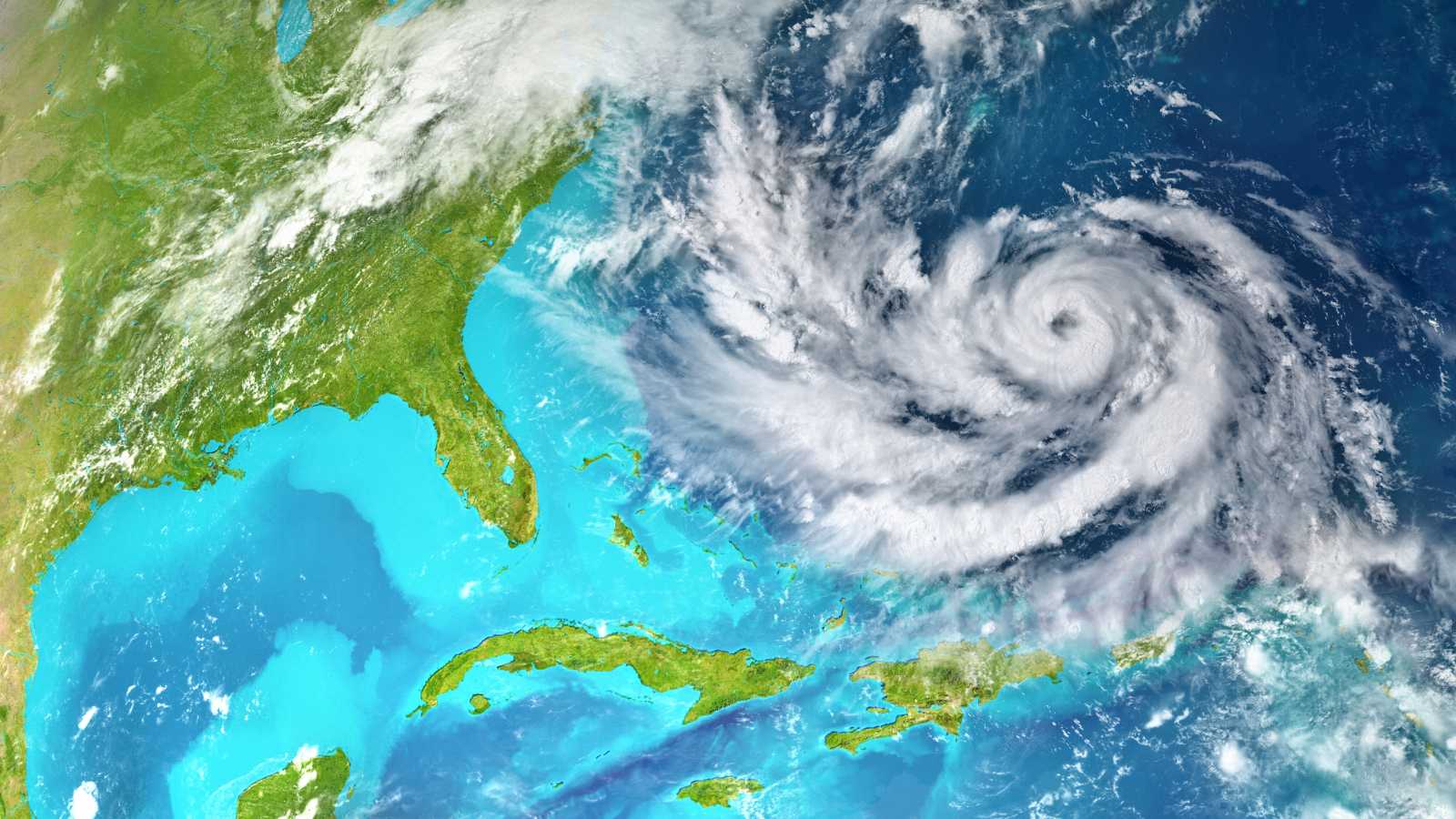
Hurricanes are a natural force to be reckoned with, particularly in regions frequented by cruise ships like the Caribbean and Atlantic. These powerful storms can cause significant alterations to planned itineraries and have safety measures in place to protect passengers. In this article, we dive into the crucial ways hurricanes can impact your cruise experience and how you can stay prepared.
How Hurricanes Can Affect Cruises
Hurricanes can have a profound impact on cruise itineraries, often leading to last-minute changes that can affect travelers’ plans. For instance, cruise lines monitor weather patterns closely and utilize advanced technology to assess the trajectory of storms. According to the National Oceanic and Atmospheric Administration (NOAA), hurricanes can alter the paths of cruise ships by forcing them to reroute to avoid dangerous weather conditions, which may result in changes to multiple ports of call or even the entire itinerary.
In terms of safety, cruise ships are designed to handle adverse weather conditions effectively. With onboard meteorologists providing real-time updates, captains can make informed decisions to navigate away from storms. The U.S. Coast Guard also plays a major role in monitoring maritime safety during hurricane season, which runs from June 1 to November 30. While only about 1% of cruises are significantly affected by hurricanes, passengers are advised to consider travel insurance for added protection against any unexpected disruptions that may arise due to severe weather events.
5 Crucial Insights Every Traveler Should Know About Cruises During Hurricane Season
1. Itinerary Changes Are Common
During hurricane season, it’s not unusual for cruise itineraries to change at the last minute. Cruise lines actively monitor storm developments and may alter routes to ensure passenger safety. While this can be frustrating, travelers should remain flexible and open to new destinations, as the alternate ports can sometimes offer unique experiences that weren’t originally on the itinerary. Always check your cruise line’s website or app for real-time updates and stay in touch with your travel agent for the latest information.
2. Rare Cancellations Happen, But Not Often
Although cruise cancellations due to hurricanes are rare, they can occur, especially if a storm poses a serious threat to the cruise route. Most cruise lines have policies in place to provide passengers with options, including rescheduling or offering future cruise credits. If you plan to travel during hurricane season, consider booking a cruise with a flexible cancellation policy, which can provide peace of mind in case your trip is affected by severe weather.
3. Safety Measures Are Robust
Cruise ships are equipped with advanced technology and safety measures designed to protect passengers during inclement weather. Each ship has a dedicated team that monitors weather conditions around the clock, and captains are trained to navigate storms effectively. many cruise lines have contingency plans, such as rerouting to safer waters or providing alternative entertainment options onboard if ports are inaccessible. Familiarizing yourself with your cruise line’s safety protocols can help you feel more secure during your journey.
4. Ocean Conditions Can Be Milder
Interestingly, while hurricanes can be dangerous, the ocean conditions leading up to and during hurricane season can be calmer compared to other times of the year. The high-pressure system often associated with hurricanes can lead to smoother seas, making it an ideal time for cruising for those who are sensitive to rough waters. Understanding these patterns allows travelers to appreciate the unique aspects of cruising during this season and may encourage them not to shy away from trips in the summer months.
5. Travel Insurance Is Highly Recommended
Investing in travel insurance is essential for anyone planning a cruise during hurricane season. Coverage can protect against unexpected itinerary changes, cancellations, or delays due to severe weather conditions. Some policies even cover additional expenses incurred due to missed ports or accommodations if a trip is cut short. Before purchasing insurance, review the policy details carefully to ensure it meets your needs and provides adequate coverage for your trip, particularly concerning weather-related disruptions.
What Safety Measures Do Cruises Implement During Hurricane Season?
Cruise lines implement an array of safety measures to protect passengers during hurricane season, leveraging advanced technology and expert personnel. Each ship is equipped with sophisticated weather tracking systems that provide real-time data on storm developments. For instance, many cruise lines employ onboard meteorologists who analyze weather patterns and provide guidance to the captain and crew, ensuring they can make informed decisions about course adjustments. This proactive approach allows ships to navigate away from potential threats and seek safer waters, significantly reducing risk.
In addition to monitoring weather conditions, cruise lines conduct regular safety drills and training for their crew members. These drills include emergency evacuation procedures and safety protocols specific to adverse weather events. According to the Cruise Lines International Association (CLIA), safety is a top priority, with cruise ships adhering to strict regulations and guidelines established by international maritime organizations. This commitment makes sure that crew members are well-prepared to handle emergencies, further enhancing passenger safety during unpredictable weather events.
Another critical aspect of safety measures involves communication with passengers. Cruise lines often provide updates regarding weather conditions and any potential itinerary changes through onboard announcements and digital platforms. This transparency helps travelers feel informed and reassured during their voyage. many cruise lines have contingency plans in place that may include rerouting to calmer waters or providing additional amenities onboard if external ports become inaccessible, ensuring that guests remain comfortable and safe throughout their journey.
How Should I Prepare for a Cruise During Hurricane Season?
Preparing for a cruise during hurricane season involves several proactive steps to maintain a smooth and enjoyable experience. First, it is essential to stay informed about the hurricane season dates and peak times, which typically run from June 1 to November 30 in the Atlantic. This knowledge allows travelers to plan their trips more effectively. Monitoring weather forecasts and keeping an eye on potential storm developments can help you make informed decisions leading up to your departure. Websites like the National Hurricane Center provide reliable updates and forecasts that can assist in your planning.
Another crucial aspect of preparation is considering travel insurance that covers weather-related disruptions. Many travel insurance policies offer protection against cancellations, itinerary changes, and additional expenses incurred due to unforeseen circumstances related to hurricanes. According to the U.S. Travel Insurance Association, nearly 40% of travelers purchase insurance primarily to cover trip interruptions. Review various policies carefully to choose one that fits your needs and provides adequate coverage for your specific cruise itinerary.
Finally, maintaining flexibility in your travel plans can significantly enhance your cruising experience during hurricane season. Be prepared for potential changes and remain open to alternative ports or activities if your original plans are affected. Consider packing essentials that could make your time onboard more enjoyable, such as books, games, or personal entertainment devices. This way, even if your itinerary shifts, you can still make the most of your cruise vacation and enjoy the amenities offered by the ship itself.
Can Listy Travels Assist with Cruise Planning During Hurricane Season?
Listy Travels can be a valuable resource for cruise planning during hurricane season by providing essential information and tools to help travelers prepare effectively. The directory offers access to vacation home rentals, hotels, and resorts, which can be beneficial if there are any unexpected changes to your cruise itinerary or if you need accommodations before or after your trip.
In addition to accommodation options, Listy Travels features a comprehensive guide to vacationing that includes tips for navigating travel during hurricane season. Travelers can find expert advice on how to choose the right cruise line, understand cancellation policies, and explore travel insurance options. According to the American Association of Insurance Services, about 85% of travelers who purchase insurance do so for peace of mind regarding unforeseen events. Listy Travels can help users identify suitable insurance providers and policies that cover hurricane-related disruptions.
The community aspect of Listy Travels, including its Facebook group, provides a platform where travelers can ask questions, share experiences, and gain insights from others who have traveled during hurricane season. This peer-to-peer support can help individuals feel more confident in their planning and decision-making processes.
What Are the Common Experiences Shared by Cruisers During Hurricane Season?
- Last-Minute Itinerary Adjustments: Many cruisers share experiences of having their itineraries changed unexpectedly due to approaching hurricanes. For example, a ship originally scheduled to dock in a popular Caribbean port might reroute to a less frequented but equally charming destination. This can lead to mixed feelings, as travelers may miss out on highly anticipated ports but often discover new adventures and experiences in alternate locations. Passengers frequently report enjoying the spontaneity that comes with these changes, embracing the opportunity to explore new cultures and attractions.
- Enhanced Safety Briefings: Passengers often notice that safety briefings become more detailed and frequent during hurricane season. Cruise lines typically ramp up their communication regarding safety protocols, ensuring that all travelers are aware of emergency procedures. For instance, crew members might conduct additional drills or provide more thorough explanations of evacuation routes and safety equipment. This increased focus not only raises awareness among passengers but also reassures them of the crew’s preparedness to handle any weather-related emergencies.
- Increased Onboard Activities: When weather conditions prevent excursions at port, many cruisers find that cruise lines respond by enhancing onboard activities. Passengers often enjoy a wider variety of entertainment options, such as special performances, themed parties, or workshops led by talented staff members. For example, a cruise ship may host an impromptu cooking class or game night to keep guests engaged and entertained during unexpected downtime. Travelers frequently appreciate these initiatives, which provide opportunities for socializing and making new friends while staying safe indoors.
- Sharing of Community Insights: Cruisers often engage in discussions about hurricane season experiences while onboard, fostering a sense of camaraderie among passengers. Many people share tips or personal stories related to past cruises during hurricane season, creating a supportive atmosphere. For example, seasoned cruisers may offer advice on how to remain flexible in the face of itinerary changes or recommend packing specific items to enhance comfort during storms. This exchange of information can empower newer travelers, helping them feel better prepared and more confident in their journey.
- Appreciation for Crew Expertise: Passengers frequently express gratitude for the expertise and professionalism of the ship’s crew during hurricane season. Many cruisers acknowledge the efforts of the captain and crew in navigating challenging weather conditions and ensuring passenger safety. For example, travelers often recount how reassuring it is to see the crew actively monitoring weather updates and communicating transparently about any necessary changes. This appreciation can lead to a stronger bond between passengers and crew members, enhancing the overall cruise experience despite potential weather-related challenges.