
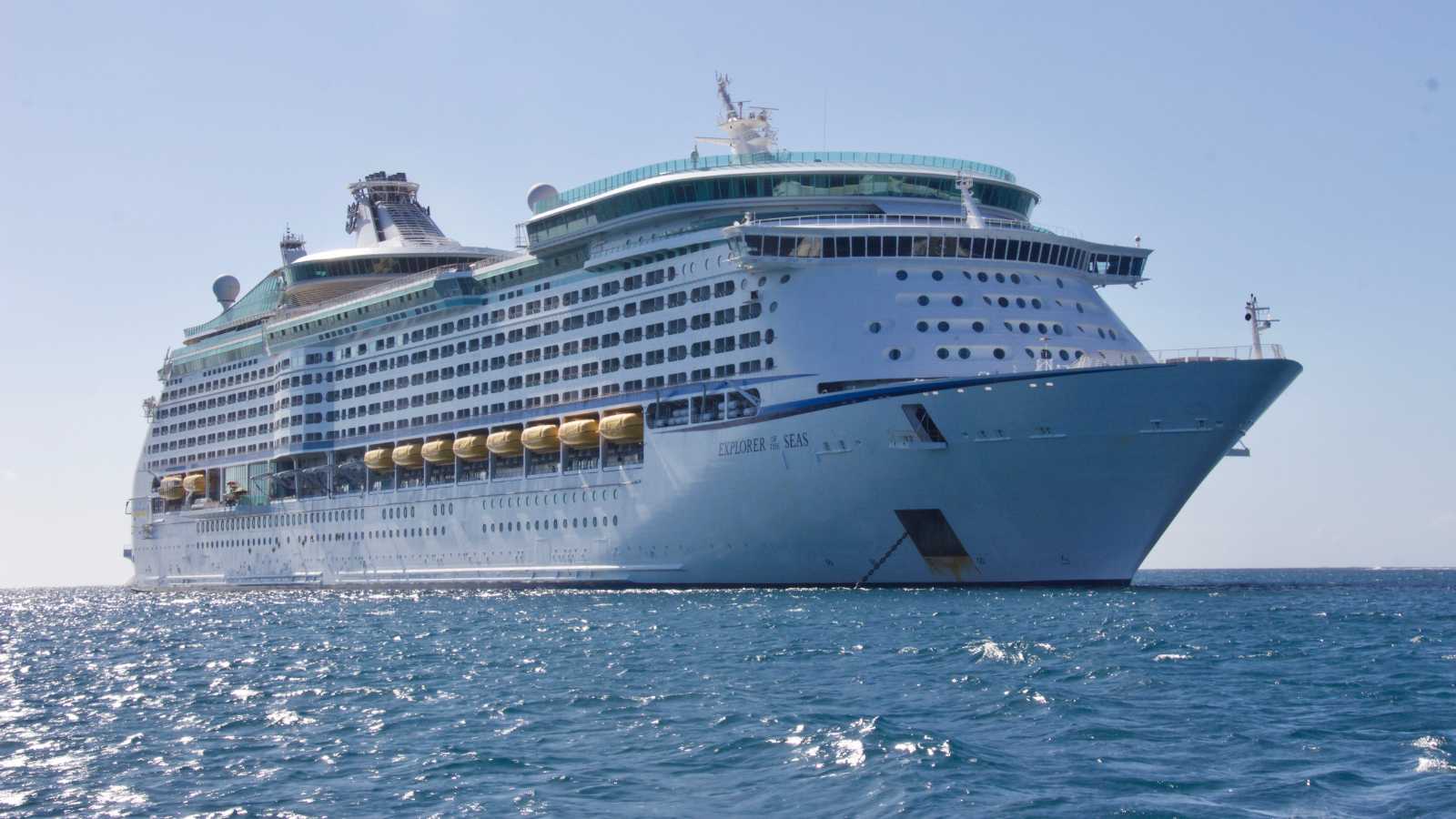
Cruise ships, those massive floating cities, have always sparked fascination and curiosity. How do these colossal vessels stay afloat on the vast oceans? In this article, we dive into the science and engineering principles that enable cruise ships to float, offering insights into the interplay of buoyancy, design, and materials.
How Cruise Ships Float
Cruise ships float primarily due to the principle of buoyancy, which is the upward force exerted by a fluid that opposes the weight of an object immersed in it. This phenomenon was famously described by Archimedes, who stated that the weight of the water displaced by an object is equal to the weight of that object. For instance, a cruise ship weighing 100,000 tons displaces an equivalent volume of water, allowing it to float. This balance between weight and buoyant force is fundamental to marine engineering.
The design and construction of cruise ships play a critical role in their ability to float. Engineers utilize lightweight yet strong materials, such as special grades of steel, to build the hull, which must be shaped to maximize water displacement. Most modern cruise ships feature a hull design resembling a “U” shape, optimizing the distribution of weight and reducing drag as they move through water. This design helps maintain stability, allowing the ships to remain upright and navigate smoothly even in rough seas, where waves can create significant forces acting on the vessel.
To further enhance safety and buoyancy, many cruise ships incorporate double hulls, providing an extra layer of protection against potential breaches. This redundancy is vital for passenger safety, as it minimizes the risk of flooding in the event of an accident. modern cruise ships are equipped with advanced stabilizing systems that counteract the effects of wind and waves, ensuring a comfortable experience for passengers. With these engineering principles in place, cruise ships can safely traverse vast ocean distances while providing luxurious amenities on board.
7 Fascinating Facts to Understand Marine Engineering
1. Buoyancy: The Force Behind Floating
Buoyancy is the key force that allows cruise ships to stay afloat, based on the principle that an object submerged in a fluid experiences an upward force equal to the weight of the fluid it displaces. This principle not only applies to cruise ships but also to various marine vessels and submarines. Interestingly, scientists have calculated that a large cruise ship can displace over 30 million liters of water when fully loaded, which is roughly equivalent to the volume of 12 Olympic-sized swimming pools. Understanding buoyancy is essential for marine engineers as they design vessels that can carry thousands of passengers and cargo across vast oceans.
2. Archimedes’ Principle: A Foundation of Marine Engineering
Archimedes’ Principle forms the foundation of understanding how ships float. This principle states that the weight of the displaced water must equal the weight of the floating object. While this concept is widely taught in schools, many overlook its application in modern shipbuilding. For example, engineers use computer simulations to visualize how different designs will perform in water, tweaking hull shapes and structures for the best buoyancy and stability. This scientific approach helps engineers avoid costly design flaws that could compromise safety.
3. Hull Design: The Key to Stability and Efficiency
The hull design of a cruise ship significantly impacts its stability and efficiency in water. A well-designed hull can reduce drag and enhance fuel efficiency, which is critical for long voyages. Many cruise ships now feature bulbous bows, which are protrusions below the waterline that help minimize wave resistance. What’s rarely mentioned is how these designs also contribute to a smoother ride during rough waters, making for a more comfortable experience for passengers. Engineers increasingly utilize computer-aided design (CAD) technologies to refine hull shapes before construction.
4. Materials Matter: The Science Behind Shipbuilding
The materials used in constructing cruise ships are specifically selected for their strength-to-weight ratio, with steel being the most common choice due to its durability and cost-effectiveness. However, advancements in materials science have led to the introduction of composite materials that are lighter and resistant to corrosion, such as fiberglass reinforced plastic (FRP). These materials are often used in specific components like decks and superstructures. Understanding these materials allows engineers to improve vessel performance while reducing overall weight.
5. Safety Features: A Priority for Modern Ships
Safety is paramount in cruise ship design, leading to the incorporation of various features like double hulls and advanced fire suppression systems. Double hulls provide an extra layer of protection against leaks, while modern fire detection systems use sensors that can alert crew members to potential hazards before they escalate. many ships are equipped with lifeboats and evacuation systems that can accommodate all passengers in emergencies—a requirement mandated by international maritime regulations. Understanding these safety features enhances passenger confidence in cruising.
6. Environmental Considerations: Sustainable Engineering
As concerns about environmental impact grow, marine engineering is evolving to incorporate sustainable practices. Many cruise lines are investing in technologies like air lubrication systems, which create a layer of air bubbles beneath a ship’s hull to reduce drag and fuel consumption. some modern ships are exploring alternative energy sources such as LNG (liquefied natural gas) and hybrid propulsion systems. These innovations not only lower emissions but also demonstrate a commitment to protecting marine ecosystems, reflecting a growing trend toward sustainability in the cruise industry.
7. Technology Integration: The Future of Cruise Ships
The integration of technology in cruise ship design and operation is revolutionizing the marine industry. From advanced navigation systems using satellite technology to automated monitoring systems for fuel efficiency, technology plays a major role in enhancing performance. many cruise ships now feature smart systems that allow for real-time tracking of passengers and cargo, improving safety and operational efficiency. As technology continues to advance, the potential for further innovations in marine engineering will only grow, offering exciting possibilities for the future of cruise travel.
How Do Cruise Ships Utilize Buoyancy to Remain Above Water?
Cruise ships utilize the principle of buoyancy to remain above water by displacing a significant volume of water that counteracts their weight. When a cruise ship is placed in water, it pushes aside a volume of water equal to its weight, which creates an upward force known as buoyant force. For instance, a typical cruise ship can weigh anywhere from 70,000 tons to over 200,000 tons, depending on its size and capacity. To maintain buoyancy, the ship must displace an equivalent volume of water, which is achieved through its hull design and overall structure.
The hull of a cruise ship is meticulously engineered to maximize buoyancy and stability. The design often features a wide, rounded shape that allows the ship to displace more water as it enters the ocean. This design is particularly effective in maintaining equilibrium, especially when fully loaded with passengers and cargo. Marine engineers carefully calculate the ship’s center of gravity and make sure that it remains low to prevent tipping. For example, large cruise ships often have a center of gravity located below the waterline, which significantly enhances stability and reduces the risk of capsizing in turbulent conditions.
The concept of buoyancy is not static; it changes with the load a ship carries. As passengers board or disembark, or as fuel and supplies are consumed, the ship’s weight alters, necessitating a careful balance to maintain buoyancy. Engineers monitor this through advanced systems that track weight distribution and adjust ballast water accordingly so that the ship remains stable and afloat. This dynamic approach allows cruise ships to navigate various sea conditions safely while providing a comfortable experience for passengers.
The Role of Hull Design in Cruise Ship Floatation
Hull design plays a major role in the flotation and overall performance of cruise ships. The shape of the hull determines how effectively the vessel displaces water and maintains stability while navigating through various sea conditions. Most modern cruise ships feature a bulbous bow, which is a rounded protrusion at the front of the hull. This design reduces wave resistance and drag, allowing the ship to move more efficiently through water, ultimately improving fuel economy. For instance, research suggests that a bulbous bow can lead to fuel savings of up to 5-10%, which is significant for large vessels that consume vast amounts of fuel during long voyages.
The hull’s width and depth are equally important in enhancing flotation. A wider hull allows for greater water displacement, which is essential for larger ships that carry thousands of passengers and heavy cargo. The depth of the hull also affects how much of the ship sits below the waterline, influencing its center of gravity and stability. For example, cruise ships are often designed with a hull that is approximately 25% wider than it is deep, providing a stable platform that minimizes the risk of capsizing in rough waters. This design consideration is vital for ensuring passenger comfort and safety during turbulent conditions.
In addition to shape and dimensions, hull materials contribute significantly to flotation capabilities. Engineers often utilize high-strength steel and advanced composites that are both lightweight and durable, allowing for robust structures without adding unnecessary weight. The combination of thoughtful design and the use of modern materials makes sure that cruise ships can maintain buoyancy while accommodating sophisticated onboard amenities. For example, the Royal Caribbean’s Symphony of the Seas, one of the largest cruise ships in the world, measures 1,188 feet in length and boasts a hull designed to support its impressive capacity while still floating effortlessly on the ocean’s surface.
Discovering How Cruise Ships Navigate Deep Waters with Listy Travels
Cruise ships navigate deep waters using advanced navigation systems that rely on a combination of technology and skilled seamanship. These vessels are equipped with sophisticated GPS systems, radar, and sonar technology that help determine their precise location, monitor surrounding conditions, and avoid potential hazards. For instance, modern cruise ships often utilize Integrated Bridge Systems (IBS), which consolidate various navigation tools into one interface, allowing for real-time data analysis. This integration helps captains make informed decisions while navigating through complex waterways, particularly in areas known for shallow waters or dense traffic.
Cruise ships are designed with specific drafts, which is the vertical distance between the waterline and the bottom of the hull. This measurement is essential for safe navigation in deep waters, as it makes sure that the ship can pass over underwater obstacles without running aground. For example, the average draft of a large cruise ship can range from 25 to 30 feet, depending on its size and design. Understanding local water depths and conditions is essential; cruise lines often consult detailed nautical charts and collaborate with harbor pilots who are familiar with specific routes to ensure safe passage.
Environmental considerations are increasingly influencing how cruise ships navigate deep waters. Many operators are adopting eco-friendly practices to minimize their impact on marine ecosystems, such as utilizing slow-steaming techniques that reduce fuel consumption and emissions. According to industry estimates, these practices can lead to a reduction of up to 20% in greenhouse gas emissions during voyages.
Enhancing Your Cruise Experience Through Listy Travels: A Comprehensive Guide
Enhancing your cruise experience begins with proper planning, and Listy Travels offers a comprehensive guide to help travelers navigate their options effectively. From selecting the right cruise line to choosing the best vacation home rental or hotel, the directory provides valuable insights tailored to individual preferences. For instance, statistics show that nearly 80% of cruise travelers report that pre-cruise planning significantly enhances their overall experience, allowing them to make informed decisions about excursions, dining, and onboard activities.
One of the standout features of Listy Travels is its vast array of resources that cater to different types of travelers. If you’re seeking family-friendly cruises or romantic getaways, the platform provides detailed descriptions of various cruise options, along with user reviews and ratings. travelers can join the Listy Travels community on Facebook, where they can engage with fellow cruisers to share tips, ask questions, and discover exclusive deals. This collaborative environment fosters a sense of community and allows members to benefit from shared experiences and recommendations, ultimately enriching their cruise journey.
Listy Travels emphasizes the importance of direct communication with hosts and service providers. Travelers can ask specific questions and get more information that might not be easy to find online when they can directly contact vacation rental hosts or cruise representatives. This personalized approach makes sure that each traveler can make their cruise experience fit their specific needs, whether those needs are related to food, special accommodations, or activity suggestions. Travelers can feel confident about going on a memorable cruise adventure full of fun and discovery now that they have these tools and resources at their disposal.