
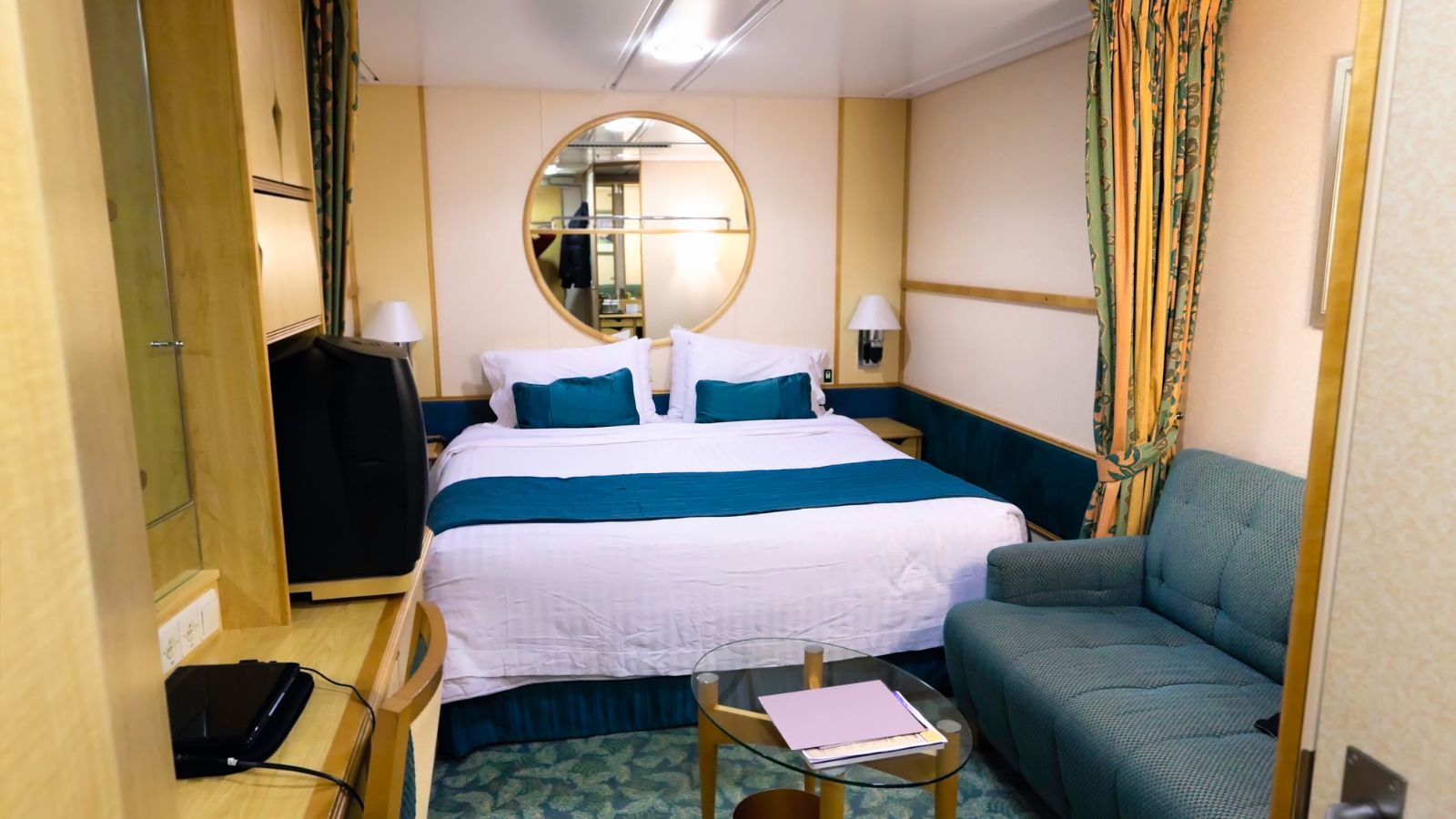
Cruise ship cabins offer a cozy retreat for travelers amidst the vastness of the oceans and the bustle of shipboard life. From snug interior rooms to expansive suites, the size of these accommodations can vary widely, influencing the overall comfort and experience of your voyage. In this article, we’ll explore the five factors that determine cabin size on cruise ships, ensuring you set sail with the right expectations.
How big are the cruise ship cabins?
Cruise ship cabins vary in size depending on the cabin type, with interior cabins being the smallest and most budget-friendly, ranging from 100 to 200 square feet. Ocean view cabins are slightly larger, typically ranging from 160 to 180 square feet, offering a view of the sea through a window. Balcony cabins provide extra space with a private balcony and can start at around 180 square feet, while suites offer the most spacious accommodations, ranging from 300 square feet to over 1,000 square feet, featuring separate living areas and larger balconies.
Cabin sizes also differ among cruise lines and specific ships, with newer vessels generally offering larger and more luxurious cabins compared to older ships. Factors such as solo cabins for single occupancy and accessible cabins designed for guests with disabilities further contribute to the range of cabin sizes available, ensuring there is a suitable option for every traveler’s needs and preferences aboard a cruise ship.
5 Factors That Determine Cabin Size
1. Cabin Type
When considering cruise ship cabins, the type of cabin plays a significant role in determining its size. Interior cabins, the most compact and budget-friendly option, range from 100 to 200 square feet. For those seeking a glimpse of the sea, ocean view cabins provide slightly more space at around 160 to 180 square feet. Balcony cabins offer the luxury of a private outdoor space and typically start at 180 square feet, while suites provide the most generous accommodations, varying from 300 square feet to over 1,000 square feet in the most luxurious categories. Selecting the right cabin type based on personal preferences and budget is essential for a comfortable and enjoyable cruise experience.
2. Cruise Line
The cruise line you choose can also impact the size of the cabin you’ll be staying in. Different cruise lines may offer cabins of varying sizes within the same category. Some cruise lines are known for providing more spacious cabins compared to others, so researching the specific offerings of each cruise line can help you find a cabin that best suits your preferences. Consider reading reviews from past passengers to gain insights into the cabin sizes offered by different cruise lines.
3. Ship Age
The age of the ship can influence the size and condition of the cabins onboard. Generally, newer ships tend to feature larger and more modern cabin layouts, catering to the evolving needs and expectations of passengers. Cruise lines often take passenger feedback into account when designing newer ships, aiming to provide more spacious and comfortable accommodations. Opting for a cruise on a newer vessel may offer you a chance to enjoy larger cabins with updated amenities and design elements.
4. Solo Cabins
For solo travelers, solo cabins are specially designed for single occupancy and are typically smaller in size compared to standard cabins. These solo cabins provide a cozy and efficient space for solo travelers, offering all the necessary amenities in a compact layout. While solo cabins may be smaller in size, they are thoughtfully designed to maintain a comfortable and enjoyable stay for solo cruisers.
5. Accessible Cabins
Accessible cabins cater to guests with disabilities and are designed with larger layouts to accommodate wheelchairs or other mobility aids. These cabins prioritize accessibility and comfort, featuring wider doorways, spacious bathrooms with roll-in showers, and other accessibility features. When booking a cruise, individuals with specific accessibility needs should inquire about the availability of accessible cabins to maintain a smooth and enjoyable cruising experience tailored to their requirements.
Understanding Cabin Categories and Their Sizes
- Interior Cabins: Interior cabins are the most compact and budget-friendly option on cruise ships, typically ranging from 100 to 200 square feet. These cabins do not have windows or natural light but provide a cozy retreat for passengers looking for a comfortable place to rest after a day of exploring the ship’s amenities and ports of call. Despite their smaller size, interior cabins are designed efficiently to maximize space and offer all the necessary amenities for a pleasant cruise experience.
- Ocean View Cabins: Ocean view cabins are slightly larger than interior cabins, ranging from 160 to 180 square feet and offering a window with a view of the sea. These cabins provide a sense of connection to the ocean and allow natural light to brighten the space. Passengers staying in ocean view cabins can enjoy glimpses of the sea from the comfort of their room, enhancing the overall cruising experience with serene views and natural beauty.
- Balcony Cabins: Balcony cabins feature a private balcony, adding valuable outdoor space to the cabin. Starting at around 180 square feet, these cabins offer passengers the opportunity to step outside and enjoy fresh sea air and panoramic views. The balcony serves as an extension of the cabin, providing a relaxing spot to unwind and take in the sights and sounds of the ocean. Some balcony cabins may also have additional seating areas for enhanced comfort and leisure.
- Suites: Suites are the most spacious and luxurious cabin category on cruise ships, ranging from 300 square feet to over 1,000 square feet in size. These accommodations often include separate living areas, walk-in closets, and larger balconies, providing a high level of comfort and elegance for passengers seeking an upgraded cruise experience. Suites cater to travelers looking for extra space, privacy, and upscale amenities, offering a luxurious retreat at sea.
- Accessible Cabins: Accessible cabins are specially designed for guests with disabilities and feature larger layouts to accommodate wheelchairs and mobility aids. These cabins prioritize accessibility and comfort, with wider doorways, spacious bathrooms with roll-in showers, and other accessibility features to maintain a seamless cruising experience for passengers with specific needs. Accessible cabins allow all travelers to enjoy the benefits of cruising comfortably and inclusively.
Impact of Ship Size and Design on Cabin Dimensions
The size and design of a cruise ship have a significant impact on the dimensions of cabins available to passengers. Larger ships tend to offer a greater variety of cabin sizes and layouts, including more spacious options such as suites with separate living areas and expansive balconies. Modern ship designs prioritize efficient use of space, with innovative cabin configurations that maximize comfort and functionality.
For example, newer ships often feature cabins with clever storage solutions, flexible furniture arrangements, and contemporary design elements that create a sense of openness and luxury. ship design plays a major role in cabin placement and layout, with prime locations such as those near the ship’s amenities or offering stunning ocean views typically commanding higher prices. Overall, the ship’s size and design influence the overall cabin dimensions and amenities available to passengers, contributing to their overall cruise experience in terms of comfort, convenience, and aesthetics.
The Role of Price in Determining Cabin Size
The price of a cruise cabin plays a major role in determining its size and amenities. Higher-priced cabins, such as suites or cabins with balconies, generally offer more space, luxurious features, and enhanced comfort compared to lower-priced interior cabins. For example, suites often come with additional perks like priority boarding, exclusive access to specialty dining venues, and personalized service from dedicated staff members.
Passengers willing to pay a premium for larger cabins can enjoy more spacious living areas, walk-in closets, and upscale furnishings, creating a more indulgent and relaxing cruise experience. On the other hand, budget-friendly cabins may have smaller dimensions but still provide essential amenities for a comfortable stay at sea. When choosing a cabin based on price, passengers should consider their preferences, budget constraints, and desired level of comfort to select the option that best suits their needs and enhances their overall cruise enjoyment.
Maximizing Space in Smaller Cabins: Tips and Tricks
- Utilize Vertical Space: In smaller cabins, making use of vertical space is essential for maximizing storage and living areas. Consider utilizing wall-mounted shelves, over-the-door organizers, and hanging storage solutions to keep belongings organized and create more room to move around.
- Multi-Functional Furniture: Opt for multi-functional furniture pieces that serve dual purposes to optimize space efficiency in a compact cabin. Examples include fold-down beds that convert into seating areas during the day, storage ottomans that double as seating and provide hidden storage, or collapsible tables that can be expanded for dining and folded away when not in use. Selecting furniture that serves multiple functions helps maximize utility while minimizing the overall footprint within the cabin.
- Light Colors and Mirrors: Light colors and mirrors can visually expand the space in a smaller cabin, creating a brighter and more spacious feel. Choose light-colored bedding, curtains, and decor to reflect natural light and create an airy ambiance. Placing mirrors strategically can also enhance the sense of openness by reflecting light and creating the illusion of additional space. Incorporating these design elements can transform a small cabin into a more inviting and visually expansive retreat.
- Organizational Systems: Implementing efficient organizational systems can help keep belongings tidy and easily accessible in a limited space. Utilize storage bins, under-bed storage containers, and compartmentalized organizers to categorize items and maximize storage capacity. Assign specific locations for different items to maintain order and prevent clutter from accumulating. incorporating effective organizational systems can help streamline daily routines and maintain a neat and functional living environment within the cabin.
- Minimize Clutter: To create a sense of spaciousness in a smaller cabin, it’s crucial to minimize clutter and maintain a streamlined environment. Regularly declutter surfaces, cabinets, and storage areas by removing unnecessary items or belongings that are not frequently used. Opt for compact and stackable storage solutions to prevent overcrowding and maintain a sense of openness within the cabin. keeping clutter to a minimum can help enhance the overall comfort and functionality of the space while maximizing the available room for relaxation and enjoyment.
The Luxury of Suite Categories: How Big Can They Get?
Suite categories on cruise ships offer the epitome of luxury and spacious accommodations, with sizes ranging from 300 square feet to over 1,000 square feet in the most extravagant categories. These suites often feature separate living areas, walk-in closets, and expansive balconies, providing passengers with a high level of comfort and elegance during their cruise experience.
Some luxury suites may even include additional amenities such as private dining areas, whirlpool tubs, and personal butler service to cater to the discerning tastes of guests seeking an indulgent retreat at sea. The generous size and opulent features of suite categories create a lavish and exclusive environment for passengers looking to elevate their cruise experience and enjoy a truly luxurious onboard lifestyle.
Comparing Cabin Sizes Across Popular Cruise Lines
- Royal Caribbean: Royal Caribbean offers a range of cabin sizes across its fleet, with interior cabins typically starting at around 150 square feet and suites exceeding 1,000 square feet on some of their newer ships. The cruise line is known for its innovative cabin designs and family-friendly accommodations, with options such as virtual balconies in interior cabins and expansive suites with panoramic ocean views.
- Carnival Cruise Line: Carnival Cruise Line provides diverse cabin sizes to cater to various preferences and budgets, with interior cabins averaging around 185 square feet and suites ranging from 300 to over 500 square feet. Carnival is recognized for its vibrant decor and fun-filled atmosphere onboard, offering spacious suites with luxurious amenities and comfortable interiors for passengers seeking a lively and entertaining cruise experience.
- Norwegian Cruise Line (NCL): Norwegian Cruise Line features a range of cabin sizes, including interior cabins starting at approximately 135 square feet and suites exceeding 1,000 square feet on their newest ships. NCL is celebrated for its Freestyle Cruising concept, offering flexibility in dining and onboard activities with suite options that include private balconies, butler service, and exclusive access to upscale amenities for an enhanced cruise experience.
- Princess Cruises: Princess Cruises offers a variety of cabin sizes, with interior cabins typically ranging from 160 to 180 square feet and suites varying from 300 to over 1,000 square feet in size. The cruise line is renowned for its elegant decor and sophisticated ambiance, providing passengers with spacious suites featuring luxurious furnishings, expansive balconies, and personalized service to maintain a memorable and refined cruising experience.
- Disney Cruise Line: Disney Cruise Line provides well-appointed cabin sizes tailored to families and Disney enthusiasts, with interior cabins starting at around 169 square feet and suites reaching up to 1,781 square feet on their larger ships. Known for its themed decor and immersive entertainment, Disney offers spacious suites with multiple bedrooms, elegant design elements, and exclusive experiences for guests looking to enjoy a magical and enchanting cruise vacation.
Finding the Best Cabin for Your Needs and Budget
- Consider Cabin Type: When choosing a cabin, consider the type that best suits your needs and budget, whether it’s an interior cabin, ocean view cabin, balcony cabin, or suite. Interior cabins are ideal for budget-conscious travelers, while balcony cabins offer outdoor space and ocean views. Suites provide luxurious amenities and spacious accommodations for those seeking an upscale experience.
- Research Cruise Lines: Research different cruise lines to compare cabin sizes, amenities, and pricing across various ships. Each cruise line has its own unique offerings, with some known for larger cabins or more lavish suites than others. Reading reviews and viewing virtual tours can help you gauge the cabin sizes and layouts available on different cruise lines.
- Factor in Ship Age: Consider the age of the ship when selecting a cabin, as newer vessels often feature more modern designs and larger cabins compared to older ships. Cruise lines continuously innovate and upgrade their newer ships to provide passengers with enhanced comfort and spacious accommodations, making them a preferred choice for those seeking more roomy cabins.
- Evaluate Price vs. Size: Balance your budget with the desired cabin size and amenities to find the best value for your money. Higher-priced cabins typically offer more space and luxury features, while budget-friendly options may be smaller but still provide essential comforts for a pleasant cruise experience. Consider what aspects are most important to you in a cabin and allocate your budget accordingly.
- Special Needs Considerations: If you have specific needs, such as accessibility requirements or traveling solo, ensure you choose a cabin that accommodates these needs. Accessible cabins are designed for guests with disabilities, offering larger layouts and specialized features, while solo cabins cater to single travelers with compact yet comfortable accommodations. Taking into account any special requirements guarantees a comfortable and enjoyable cruise experience tailored to your individual needs.