
Setting sail for a vacation at sea is exciting, but it’s essential to be aware of what is and isn’t allowed on board a cruise ship. Security measures are in place for everyone’s safety, and that includes checks for illicit substances. In this article, we dive into how cruise ships keep their environment safe and drug-free, as well as how you can stay informed about specific regulations through Listy Travels.
Do Cruise Ships Check for drugs?
Yes, cruise ships do check for drugs as part of their comprehensive safety and compliance measures. One of the primary ways they ensure a drug-free environment is through pre-boarding screenings, where passengers’ luggage is subjected to x-ray scans and physical searches. These protocols help deter the smuggling of illegal substances onto the ship, significantly reducing the chances of drug-related incidents during the voyage.
In addition to luggage checks, cruise lines implement the use of sniffer dogs at various ports to detect drugs and explosives. This method is particularly effective in places like the United States and Australia, where drug detection can be stringent. Statistics indicate that a significant number of drug-related arrests are made at ports, underscoring the effectiveness of these security measures in maintaining a safe atmosphere for all passengers on board. if someone is found with drugs, they can face severe penalties, including arrest and prosecution, which reinforces the seriousness with which cruise lines approach drug enforcement.
5 Proven Methods Cruise Ships Use to Detect Prohibited Substances
1. Pre-boarding Screenings
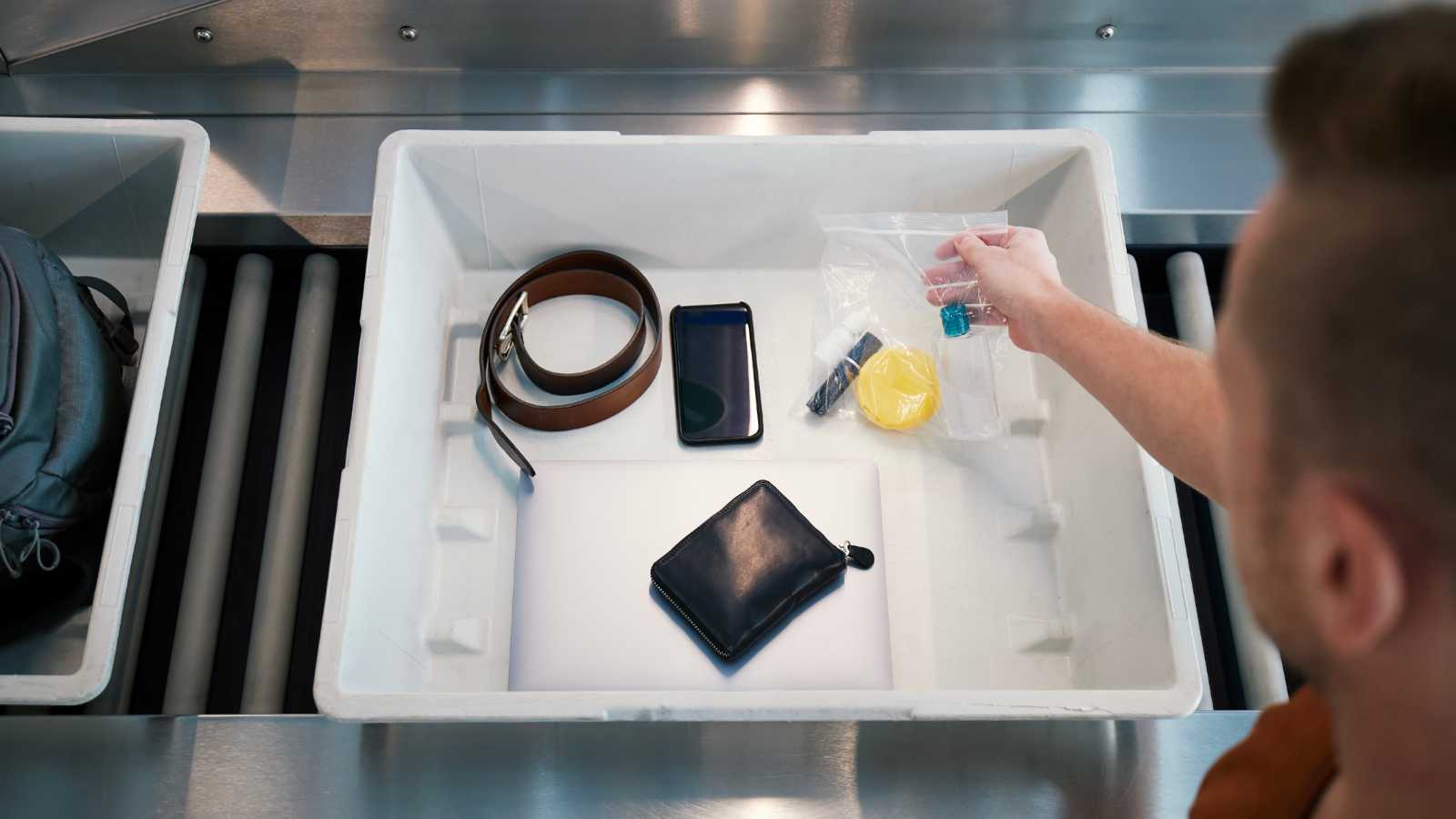
Cruise lines implement thorough pre-boarding screenings to make sure no prohibited substances make it onto the ship. Passengers are required to pass their luggage through x-ray machines, which can detect various items, including drugs. It’s also important to know that while most passengers think of this as just a formality, security personnel are trained to look for specific signs that could indicate drug smuggling, such as unusually heavy bags or suspicious behavior.
To prepare for these screenings, it’s best to pack smartly. Avoid overpacking and be cautious about bringing items that could raise suspicion. For example, packing items in an organized manner can help security personnel perform their checks quickly and efficiently, reducing the chance of additional scrutiny.
2. Bag Checks
In addition to x-ray screenings, cruise lines often conduct random bag checks upon boarding. Security staff may physically inspect bags, looking for hidden compartments or unusual packaging that could indicate the presence of illegal substances. This method allows for a more hands-on approach, helping to catch anything that might have slipped through the x-ray process.
If you want to avoid complications, it’s best to be transparent about what you are bringing on board. Familiarize yourself with the cruise line’s policies regarding allowed items and consider keeping your bags neat and organized, which can help ease the inspection process.
3. Metal Detectors and Scanners
Cruise ports typically employ metal detectors and handheld scanners as a part of their security measures. Passengers walk through metal detectors upon entering the boarding area, which helps identify concealed weapons and other prohibited items. Although these detectors mainly focus on metal objects, they also serve as an additional layer of scrutiny that can deter drug smuggling.
To make your boarding experience smoother, wear minimal metal accessories and avoid carrying items like large belts or jewelry that could trigger alarms. This way, you can help speed up the process and avoid unnecessary delays while still ensuring compliance with safety regulations.
4. Sniffer Dogs
Some cruise ports utilize trained sniffer dogs to detect drugs and explosives effectively. While not every port has these canine teams, those that do often see success in intercepting illegal substances before they can be smuggled onto a ship. The presence of sniffer dogs serves as a visible deterrent; knowing that dogs are on-site may lead potential offenders to think twice before attempting to bring drugs onboard.
When traveling, it’s wise to be aware of the possibility of sniffer dogs at certain ports. Even if you’re not carrying anything illegal, it’s good practice to keep your luggage tidy and free from any substances that could attract attention. Ensuring that your belongings are clean and scent-free will help you avoid unnecessary complications.
5. Crew Drug Testing
Cruise lines prioritize safety not only for passengers but also for crew members by enforcing strict drug testing protocols. Crew members undergo drug tests before employment and are subject to random screenings throughout their tenure. This commitment helps maintain a safe working environment onboard, assuring guests that they are interacting with sober and responsible staff.
If you’re interested in joining the cruise industry, be prepared for this aspect of employment. Understanding that drug testing is a standard procedure can help you stay compliant and focus on building a successful career in this exciting field while contributing to the overall safety of guests on board.
What Happens if You Are Caught with Drugs on Board?
If you are caught with drugs on board a cruise ship, the consequences can be severe and immediate. Cruise lines take drug possession very seriously, and the standard protocol usually involves notifying local authorities. This means that you could be handed over to law enforcement once the ship docks, leading to potential criminal charges and legal ramifications, which can include hefty fines, imprisonment, or both.
In addition to legal consequences, being caught with drugs can have a significant impact on your cruise experience. Most cruise lines will revoke your travel privileges, meaning you may be banned from future voyages with that company. According to various cruise line policies, offenders may not only face immediate arrest but also a permanent mark on their travel record, making it more challenging to book trips in the future. This can also affect your reputation and may lead to social stigma within the travel community.
How Can Listy Travels Assist in Understanding Cruise Ship Regulations?
Listy Travels is a valuable resource for travelers seeking comprehensive information about cruise ship regulations and safety policies. Through its extensive directory, users can find detailed guides on what is and isn’t allowed aboard cruise ships, including information on prohibited substances.
Listy Travels offers a community platform through its Facebook group, where members can ask questions and share experiences related to cruise regulations. This peer-to-peer interaction allows travelers to gain insights from others who have navigated the same concerns, fostering a supportive environment for those planning their trips. The collective knowledge shared within this group can be particularly useful for understanding the nuances of different cruise lines’ rules, helping travelers prepare accordingly and avoid potential issues during their voyages.
Can bringing prescription medication on a cruise cause issues?
Bringing prescription medication on a cruise can sometimes lead to complications if proper precautions are not taken. Many cruise lines require passengers to carry their medications in their original pharmacy containers, clearly labeled with the passenger’s name, dosage, and prescribing physician’s information. Failing to follow these guidelines can result in questions from security personnel or even confiscation of the medication, especially if it resembles a controlled substance.
Travelers should be aware of the regulations regarding specific medications in different countries. Some drugs that are legal in one country may be classified as illegal in another, leading to potential legal issues at ports of call. For instance, certain medications containing codeine or other narcotics may face strict scrutiny in places like Australia or Japan. To avoid any misunderstandings, it’s essential to research the laws of the destinations on your itinerary and consider obtaining a doctor’s note outlining your medical needs and prescriptions.
What Should You Do If You’re Unsure About a Substance’s Legality?
If you’re unsure about a substance’s legality, the first step is to conduct thorough research before your trip. This can include checking the laws of the countries and ports you plan to visit, as regulations regarding substances can vary significantly. Websites of government agencies, such as the Drug Enforcement Administration (DEA) in the United States or the equivalent in other countries, often provide valuable information about what is permitted and what is prohibited.
Another important action is to consult with medical professionals or legal experts who specialize in travel regulations. They can offer guidance on specific medications or substances, ensuring that you are fully informed about their legality. For example, if you have a prescription medication that contains controlled substances, seeking advice from your doctor or pharmacist can help you understand any potential issues you might face during your travels. bringing documentation, such as a doctor’s note or prescription, can further safeguard against misunderstandings at customs or during security checks.
What resources does Listy Travels provide for safe and compliant travel planning?
Listy Travels offers a variety of resources designed to facilitate safe and compliant travel planning for its users. One of the key features is its extensive directory, which includes detailed information on vacation home rentals, hotels, resorts, and cruise lines. This allows travelers to find accommodations that adhere to their specific needs while ensuring they are aware of any safety regulations or compliance issues associated with their choices.
Listy Travels provides comprehensive guides that cover essential topics related to travel safety and compliance. These guides often include advice on packing, understanding local laws, and navigating customs regulations, which are crucial for avoiding potential legal issues during your trip. For example, travelers can access tips on how to securely transport medications or what documents to carry when traveling with children, all aimed at enhancing the overall travel experience while maintaining adherence to safety protocols. The combination of these resources empowers travelers to plan their journeys with confidence and peace of mind.