
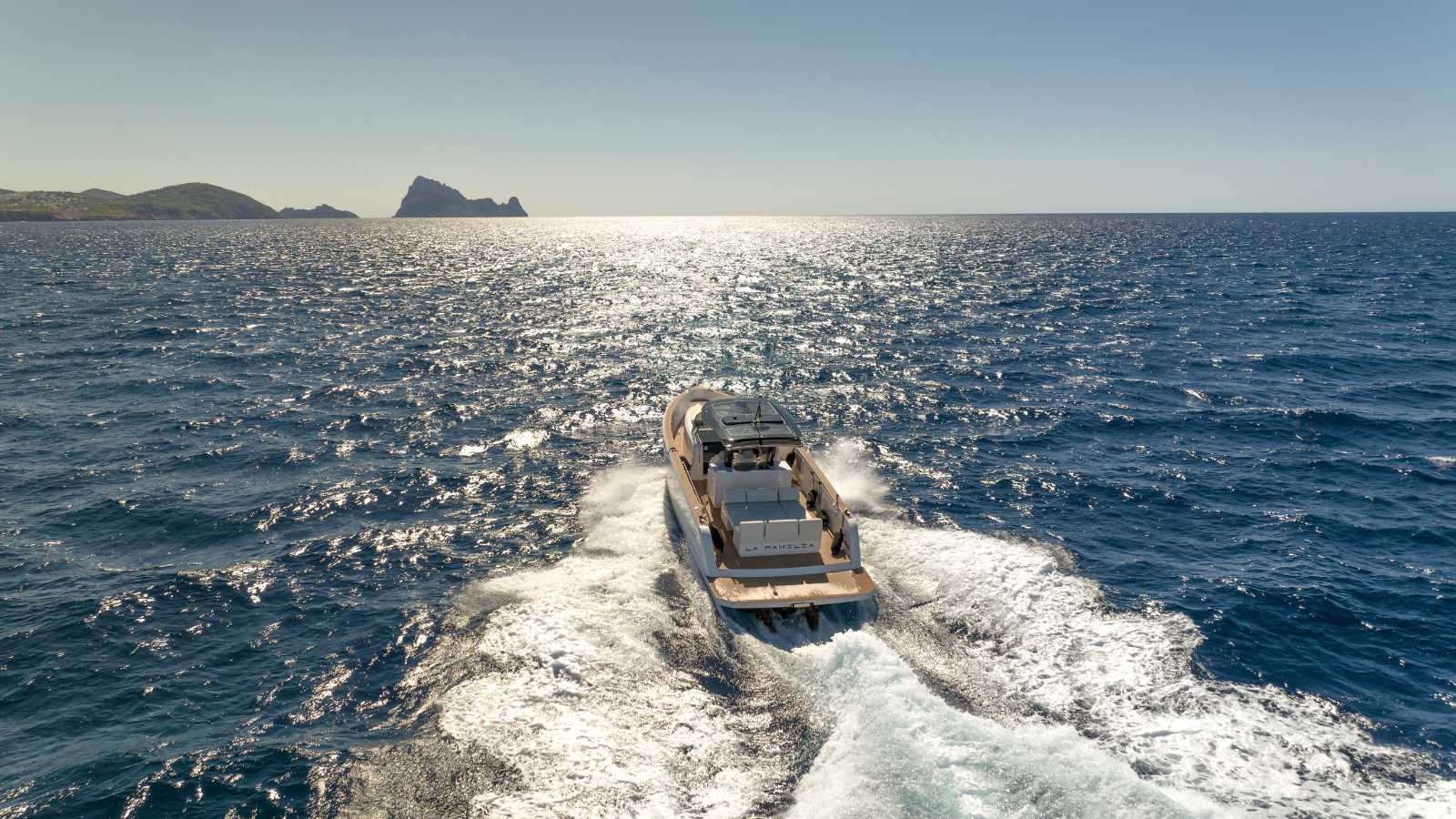
Tender boats, essential for transporting passengers from cruise ships that cannot dock directly at ports, offer a unique and important function in the world of cruising. These boats not only provide a scenic journey to and from the shore but are also equipped to serve as lifeboats in emergencies. In this article, we explore several important aspects of tender boats that every cruise passenger should be aware of.
Cruise Ship Tender Boats
Overview of Cruise Ship Tender Boats
Cruise ship tender boats are small vessels used to transport passengers from larger ships to shore when docking facilities are unavailable. According to the Cruise Lines International Association, approximately 50% of cruise itineraries include destinations where tendering is necessary due to lack of port facilities. These tender boats not only facilitate shore excursions but also enhance the overall cruising experience by allowing passengers to explore unique ports that larger ships cannot access.
The operation of tender boats is a critical aspect of cruise line logistics. Each cruise ship typically has multiple tender boats onboard, with capacities ranging from 50 to 150 passengers per boat, depending on the size and design of the vessel. This system guarantees a steady flow of passengers to and from the port, even during peak times. For instance, during a busy day at a popular destination, cruise lines can transport thousands of guests using tender services, highlighting the importance of efficient operations in providing a seamless travel experience.
Safety Measures for Tender Boat Passengers
Safety is paramount when using tender boats, and cruise lines implement several measures to ensure passenger wellbeing. For instance, life jackets are mandatory on every tender boat and must be readily accessible. In addition to life jackets, safety briefings are conducted before departure, informing passengers about emergency procedures and the location of safety equipment. It is essential for passengers to familiarize themselves with this information to navigate any unforeseen circumstances effectively.
tender boats are equipped with communication systems that allow direct contact with the cruise ship and emergency services if needed. In the event of rough seas or adverse weather conditions, crews are trained to assess safety and may postpone departures as required. Statistics show that incidents related to tender operations are relatively rare, thanks in part to thorough safety protocols and crew training. However, being aware of safety guidelines and following crew instructions can significantly reduce risks associated with tender travel.
5 Essential Safety Measures to Consider
1. Appropriate Footwear
Wearing appropriate footwear is crucial when boarding and disembarking from tender boats. The decks can often be wet and slippery, increasing the risk of slips and falls. It’s advisable to choose shoes with non-slip soles and a secure fit. consider avoiding flip-flops or sandals that do not provide adequate support. Surprisingly, some passengers overlook the importance of their footwear until they encounter a mishap. Remember to check the weather conditions and adjust your footwear choice accordingly; for example, waterproof shoes can be beneficial during rainy weather.
2. Listen to Crew Instructions
Paying close attention to crew instructions can significantly enhance your safety during tender operations. Crew members are trained to guide passengers efficiently and provide vital safety information, including how to properly don life jackets and what to do in an emergency. It’s essential to remain calm and alert, as the environment can be hectic during peak boarding times. Engaging with the crew by asking questions or seeking clarification can also improve understanding and preparedness. Many passengers may not realize that crew members are there to assist you, so don’t hesitate to voice any concerns.
3. Seasickness Prevention
For those prone to seasickness, taking proactive measures before boarding a tender boat can make a significant difference in your comfort level. Over-the-counter medications, such as meclizine or dimenhydrinate, are often effective in preventing nausea and discomfort. consider eating light meals beforehand and staying hydrated. Interestingly, some passengers find that acupressure wristbands can help alleviate symptoms as well. It’s worth noting that positioning yourself in the middle of the boat, where the motion is less pronounced, can also contribute to a more stable experience.
4. Safety Equipment Awareness
Understanding the safety equipment available on tender boats is essential for ensuring your well-being during the journey. Each tender is equipped with life jackets, first aid kits, flares, and emergency communication devices. Familiarize yourself with their locations as soon as you board, as this knowledge can be invaluable in an emergency situation. some cruise lines conduct safety drills that include tender boat operations—participating actively can provide insights that may not be mentioned elsewhere. Always remember that being prepared and informed can reduce panic should an emergency arise.
5. Emergency Protocols
Being aware of emergency protocols is key when traveling on tender boats. In case of rough seas or adverse weather conditions, the crew may need to alter plans or evacuate passengers to a safer location. Familiarize yourself with the boat’s layout and designated muster stations in advance so you know where to go if an emergency occurs. Rarely mentioned is the importance of remaining calm during these situations; panic can lead to chaos and hinder evacuation efforts. Engaging with fellow passengers and offering assistance can foster a supportive atmosphere, enhancing overall safety for everyone onboard.
What Are the Capacity Limits for Tender Boats?
Tender boats typically have varying capacity limits based on their design and size. Most tenders can accommodate anywhere from 50 to 150 passengers, with larger vessels having the capability to transport more people efficiently. For example, some cruise lines utilize high-capacity tenders that can hold up to 200 passengers, allowing for quicker transfers during peak excursion times. This capacity plays a critical role in ensuring that all passengers can disembark and embark in a timely manner, especially when a cruise ship is docked at a busy port.
It’s important to note that capacity limits are not just about passenger numbers; they also take into account safety regulations and operational guidelines. Each tender is subject to maritime safety standards that dictate the maximum number of passengers it can carry, which includes considerations for weight distribution and life jacket availability. According to the International Maritime Organization, compliance with these safety standards is mandatory, ensuring that the tender operation remains safe and efficient. In practice, cruise lines often implement additional measures, such as limiting passenger numbers during rough weather conditions, to maintain safety and comfort.
The capacity of tender boats affects scheduling and logistics for shore excursions. During busy ports, cruise lines may employ multiple tenders to accommodate all guests simultaneously, reducing wait times and enhancing the overall experience. For instance, if a ship has 3,000 passengers and only one tender of 100 capacity is available, logistics can become complicated, leading to longer wait times.
How Do Tender Boat Operations Vary by Cruise Line?
Tender boat operations can differ significantly among cruise lines, influenced by factors such as fleet size, destination itineraries, and overall service philosophy. For instance, larger cruise lines like Carnival and Royal Caribbean generally have more extensive fleets, allowing them to deploy multiple tenders simultaneously. This operational capacity enables them to efficiently manage disembarkation during busy ports, thus minimizing wait times for passengers. In contrast, smaller cruise lines, such as Windstar or Seabourn, may operate fewer tenders and have a more personalized boarding experience, which can lead to longer wait times but often allows for a more intimate atmosphere.
The design and features of tender boats vary by cruise line. Some cruise lines invest in state-of-the-art tender vessels equipped with modern amenities, such as comfortable seating and stabilization technology, to reduce motion discomfort. For example, Princess Cruises has been known to utilize tender boats that are designed with enhanced stability features, offering passengers a smoother ride even in choppy waters. These investments not only improve passenger comfort but also reflect the cruise line’s commitment to providing a high-quality experience during tender operations.
Another aspect of variation is how each cruise line communicates tender procedures to passengers. While some lines provide thorough pre-boarding briefings and safety demonstrations, others may rely on signage or announcements. For example, Norwegian Cruise Line tends to emphasize clear communication through both visual aids and crew engagement, ensuring that passengers are well-informed about safety protocols and boarding times. This difference in approach can significantly impact the overall efficiency of tender operations and passenger satisfaction during the process.
What Should You Know About Tender Ports Before Cruising?
Before cruising, it’s essential to familiarize yourself with the concept of tender ports, which are locations where cruise ships cannot dock directly at a pier due to shallow waters or space constraints. According to the Cruise Lines International Association, about 30% of cruise destinations worldwide are tender ports. This means that passengers will need to disembark from the ship using smaller tender boats, which can affect overall travel plans and expectations for the day.
When planning your cruise itinerary, be aware that tender ports can impact timing and accessibility. For instance, the tendering process may result in longer wait times compared to docking directly at a port. Factors such as weather conditions and the number of passengers disembarking can influence how quickly guests can get ashore. It’s advisable to check with your cruise line regarding their policies and schedules for tender operations, as some lines may prioritize certain excursions or early disembarkation for specific groups, such as suite guests or those with pre-booked shore excursions.
Researching the specific tender ports on your itinerary can enhance your overall experience. Each port has its own unique attractions, activities, and local customs, which may be better navigated with a bit of prior knowledge. For example, when visiting a popular tender port like Santorini in Greece, understanding the layout of the island and available transportation options can help you maximize your time ashore. reading reviews or tips from fellow travelers can provide valuable insights into the best excursions or local experiences to consider while at a tender port.
Exploring Tender Operations with Listy Travels: A Deep Dive
Exploring tender operations through the lens of Listy Travels provides valuable insights into how these processes affect the overall cruise experience. As a directory focused on vacation home rentals, hotels, resorts, and cruises, Listy Travels offers travelers a comprehensive guide to planning their adventures, including understanding tender operations at various ports.
In addition to providing detailed information on specific tender ports, Listy Travels can connect travelers with local tour operators and excursion options. This can be particularly beneficial in tender ports where independent exploration can be challenging due to logistics. For example, popular destinations like Cozumel or Grand Cayman often have numerous excursion providers that cater to cruise passengers.
Engaging with the Listy Travels community through its Facebook group allows travelers to share tips and insights related to tender operations and specific ports. Members can discuss their experiences with various cruise lines and share recommendations on how to navigate the tender process effectively. This peer-to-peer interaction can uncover lesser-known strategies for managing time at tender ports, such as the best times to disembark or hidden gems that are easily accessible once ashore.