
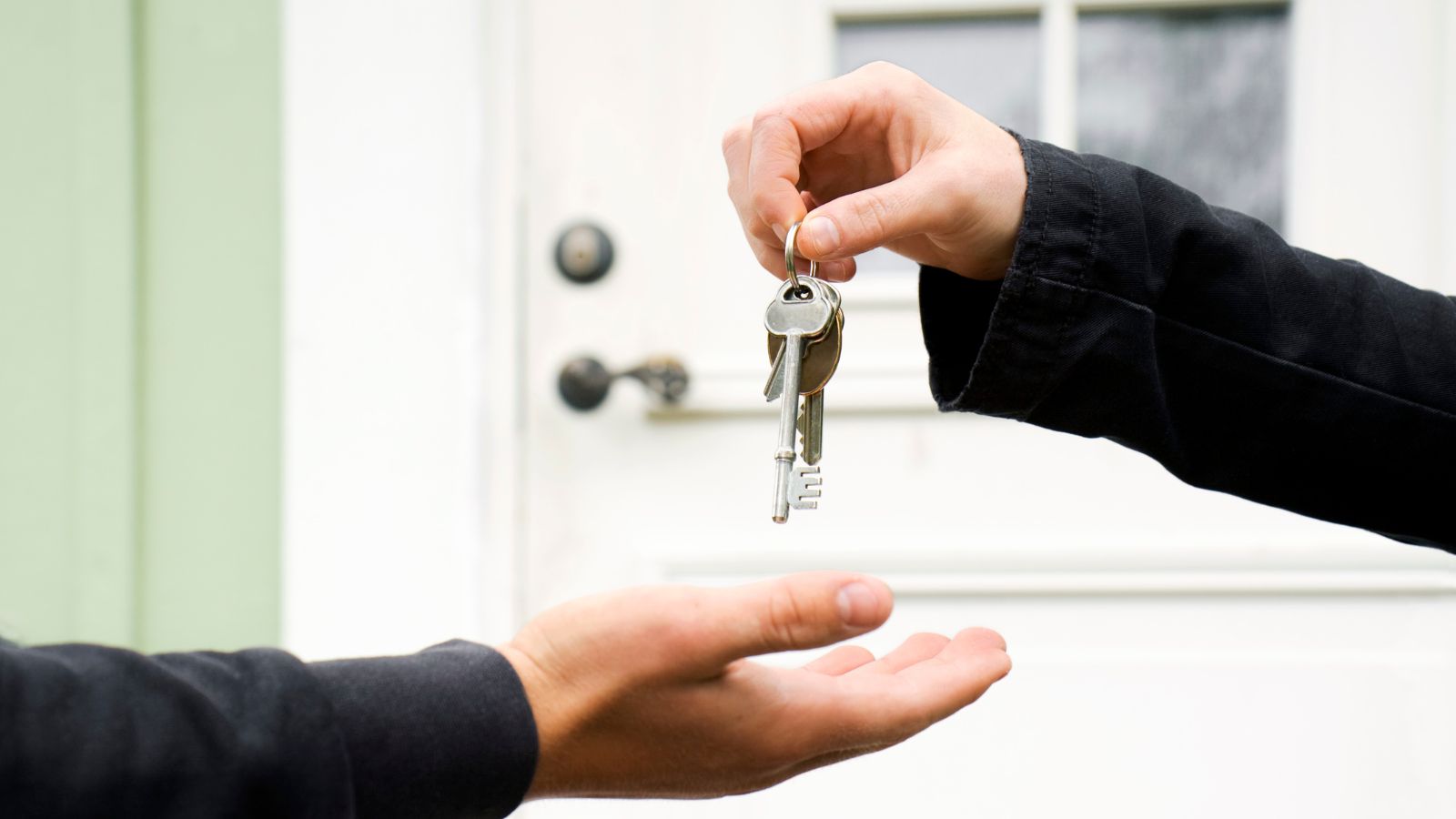
Issues with key exchanges and lockboxes can be a frustrating aspect of managing short-term rentals. These complications might stem from human error, technological faults, or burglary attempts.
In this article, we will discuss the common problems with lockboxes, suggest effective strategies for key exchange, and delve into a variety of related topics, such as secure alternatives, host responsibilities, and the impact of key exchange issues on rentals.
An Overview of Key Exchange and Lockbox Issues in Short-Term Rentals
In short-term rentals, the efficient and secure management of key exchange and lockbox issues is essential for both the owner and the guest. Traditional key handoffs can be problematic due to scheduling clashes, miscommunication, or lost keys, while lockboxes offer a more practical solution, granting guests self-check-in flexibility.
However, modern technology has introduced smart locks as an advanced alternative, featuring keyless entry, customizable access codes, and remote monitoring. For example, electronic systems such as August Home and Schlage offer a seamless experience while maintaining security. Renters must also be vigilant about regulatory compliance, insurance provisions, and privacy concerns to avoid legal or trust-related repercussions.
6 Common Problems with Lockboxes in Short-Term Rentals
1. Difficulty in Location
Lockboxes in short-term rentals might be challenging to locate, especially when they’re well-hidden for security purposes or when instructions provided by hosts are unclear. Precise instructions, coupled with photographs or video guidance, can help resolve this issue. As a host, consider a trial run with a friend or family member to make sure your instructions are easy to follow.
2. Combination Issues
Lockboxes often use combinations or codes for access. If a guest forgets the code or inputs it incorrectly, they can be locked out. Hosts should consider systems that allow code recovery or alternative entry methods. It’s also wise to reset these codes frequently to bolster security for different guests.
3. Difficulty in Operation
Some lockboxes can be complex to operate. These boxes often have small wheels or dials that are hard to maneuver, especially in low light or for those with impairments. Hosts should consider user-friendly lockboxes and provide a detailed step-by-step guide on how to use them.
4. Weather Conditions
Lockboxes made of metal can rust or freeze in extreme weather conditions, which can make them difficult to open. As a preventive measure, hosts should invest in robust, weather-resistant lockboxes and regularly perform maintenance checks so that they remain functional throughout the different seasons.
5. Lost or Stuck Keys
The traditional key could get stuck or lost, causing inconvenience to guests. Implementing an additional backup method for accessing the property, like a spare key with a trusted neighbour or adopting keyless technologies, can help mitigate this risk.
6. Security Concerns
Finally, there can be security concerns. Although lockboxes themselves are secure, the risk lies in potential code leaks or theft. Besides regularly changing codes, hosts could consider advanced options like smart locks with encrypted entry systems or a system that allows remote unlocking, thereby enhancing overall security.
Why do key exchange problems occur in short-term rentals?
Key exchange problems in short-term rentals often occur due to various factors such as miscommunication between hosts and guests, last-minute schedule changes, lost or misplaced keys, and a lack of clear instructions or backup plans. For guests who are unfamiliar with the area or language, these issues can be exacerbated, leading to frustration and delays.
Hosts may encounter difficulties in accommodating different check-in times, which can cause challenges in finding a compatible key exchange solution. Consideration of such issues and the implementation of a secure and user-friendly key exchange method, such as smart locks, lockboxes with clear instructions, or a reliable point-of-contact, can significantly minimize these problems and enhance the overall rental experience.
Impact of Key Exchange Issues on Your Short-Term Rental Reputation
- First Impressions and Guest Frustration: Difficulty with key exchange can set a negative tone for a guest’s stay, leading to a frustrating first impression. For example, should a guest arrive late at night to find they are unable to access the property, this could taint their perception of the rental and result in unfavorable reviews.
- Delay in Guest Check-In: Key exchange issues can lead to delays in check-in, which, in turn, can affect tour plans, meetings, or other arrangements made by the guests. This inconvenience might lead to unsatisfied customers voicing their displeasure, thus tarnishing your reputation.
- Security Breaches: If keys are lost or codes are accidentally shared, it can lead to unauthorized access and security breaches. Guests must feel secure during their stay; incidents of compromised security significantly impact your rental’s reputation.
- Communication Problems: If the communication between the host and the guest is unclear regarding key exchanges, it reflects poorly on the host’s management capabilities. Guests may feel that they are not adequately cared for and, consequently, may leave negative comments damaging your reputation.
- Increased Costs and Time Consumption: Dealing with key exchange issues often involves costly locksmith services or additional time spent by the host or property manager to resolve these issues. This overhead cost might indirectly affect your pricing strategy, making your listing less competitive, which could eventually impact your rental’s reputation.
- Decreased Trust and Confidence: Confidence and trust are key in short-term rentals. Any failure in the key exchange process can cause a serious breach of trust. This can discourage guests from choosing your rental in the future, leading to a potential drop in bookings.
The Importance of Secure and Convenient Key Exchanges in Short-Term Rentals
Secure and convenient key exchanges hold paramount importance in short-term rentals as they lay the foundation for a smooth rental experience. A seamless key exchange process not only sets the tone for the guest’s stay, but it also reflects on the rental’s professionalism and operations management.
For instance, when guests do not have to coordinate arrival times with hosts or worry about misplacing keys, it reduces their stress and facilitates a more positive experience. Secure exchanges help maintain the privacy and security of the property, which is crucial in building trust with guests.
Innovative solutions like smart locks or coded lockboxes, which allow for easy access while ensuring security, enhance guest satisfaction and are markedly reflected in the reviews and ratings, thereby bolstering your rental’s reputation and success in the competitive short-term rental market.
Tackling Lockbox Issues: Host Responsibilities and Best Practices
- Clear Instructions: As a host, you need to provide clear, accurate, and detailed instructions on how to find and operate the lockbox. A step-by-step guide with images or a video tutorial can eliminate confusion.
- Regular Maintenance: It’s essential to regularly check and maintain your lockbox, ensuring that it operates smoothly, keys aren’t jammed, and the number dials or keypad are functioning correctly. Regular maintenance avoids last-minute hiccups during guest check-in.
- Strategically Locate the Lockbox: The lockbox should be placed in an easily accessible yet secure location. Guests should be able to access it without attracting undue attention, while it should be concealed enough to deter possible theft or tampering.
- Constantly Update Lockbox Codes: To maintain security, hosts should frequently change lockbox codes. Sharing a unique code per booking minimizes the risk of unauthorized property access.
- Implement a Backup Plan: Having a backup plan is essential for managing potential hitches. Whether it’s a backup key placement, having a person on-call, or another lockbox as a contingency, a Plan B can alleviate potential stress for both hosts and guests.
- Invest in Quality Lockboxes: Prioritize quality over cost when choosing a lockbox. Opt for weather-proof and rugged lockboxes that can withstand manipulation attempts and adverse weather to ensure optimal functionality.
- Privacy Practices: Maintain strict privacy practices. Never leave old codes visible and make sure they are wiped off after each use. This can avert accidental sharing and misuse of lockbox codes by subsequent guests.
- Customer Support: In case of issues with the lockbox, guests should be able to contact the host or a representative via clear, established channels. Prompt support can resolve the problem quickly and prevent a negative guest experience.
From the Guest’s Perspective: Key Exchanges Gone Wrong
- Arriving at a Locked Property: When visitors arrive at the rental and discover they are unable to access the property because a key or lockbox is missing or inoperable, their mood immediately suffers, potentially resulting in negative reviews.
- Compromised Security: Guests that discover the lockbox codes or keys have been shared with other parties may feel unsafe, as the property’s security would be compromised. This sense of vulnerability can greatly impact their overall perception of the rental experience.
- Miscommunication with Host: A breakdown in communication between the guest and host concerning key exchange logistics can cause delays, struggles, and misunderstandings. This can lead to a frustrated guest and spoil their experience at the rental.
- Time-consuming Resolution: When a guest is forced to wait for assistance from the host or property manager to gain access to the property, they may feel their time is being wasted and disrespected, negatively impacting their stay.
- Difficulty Operating the Lockbox: When guests find it challenging to locate, open, or operate the lockbox, it can lead to frustration and disappointment, as they may perceive the host as negligent or inadequately prepared.
- Lost or Damaged Keys: Keys that are misplaced, lost, or damaged by previous guests can cause headaches for the arriving guests, who may feel obligated to rectify the issue rather than enjoying their stay.
- Unreliable Backup Plan: A lack of a dependable backup plan for emergency access can escalate an already challenging situation, making guests feel unsupported by the host in their time of crisis, leading to dissatisfaction.
- Perception of Poor Management: Overall, when key exchanges go wrong, guests can develop the impression of poor management and low standards, which may result in negative reviews, impacting the rental’s reputation and future bookings.
The Role of Rental Platforms in Regulating Key Exchanges
Rental platforms play a significant role in facilitating and regulating key exchanges for short-term rentals. To ensure a seamless and secure experience for both hosts and guests, platforms often have guidelines and recommendations for key exchanges. Such platforms can provide smart integration services like digital key exchanges, which offer both flexibility and security. Guidelines may also recommend best practices such as time-stamped photos for key placement and lockboxes.
Many platforms have reviews and rating systems where guests can share their experiences, making hosts more accountable for providing a smooth key exchange. Some platforms may also enforce penalties or restrictions on hosts with repeated key exchange issues.
For example, Airbnb’s Host Guarantee provides protection against damages, offering reassurances to hosts by incorporating self-check-in options. Altogether, rental platforms help establish a level of expectation and trust between hosts and guests, supporting the process of key exchange by promoting best practices, providing innovative solutions, and ensuring accountability.
Dealing with Legal and Security Issues: Key Exchange and Lockbox Guidelines
- Comply with Local Regulations: As a host, it’s important to understand and comply with local laws and regulations related to short-term rentals, including guidelines for key exchanges and lockbox use. For instance, certain cities or housing communities may have rules about lockbox placement.
- Use Secure Key Exchange Methods: Whatever method you choose for key exchange should be secure enough to protect the property and the guests. Digital smart locks, one-time use codes, or secure lockboxes are some of the methods that offer both security and convenience.
- Ensure Privacy for Guests: Be mindful not to invade guests’ privacy. Avoid sharing keys or lockbox codes that could allow others to access the property during their stay. Make sure each guest has a unique code and it’s properly wiped after their departure.
- Proper Insurance Coverage: Have appropriate insurance coverage to protect against potential losses or damages arising from key exchange mishaps. Keep in mind that some insurance policies may require you to take certain precautions for coverage to be valid.
- Clear and Prompt Communication: Establish clear, prompt, and honest communication with guests. Provide them with accurate information about the key exchange process and be available for resolution of any issues that may arise.
- Quality Lockbox Selection: When choosing a lockbox, opt for high-quality, weather-resistant, and robust options that can resist tampering attempts.
- Use Rental Platform Protection: Leverage the protection programs offered by rental platforms, like Airbnb’s Host Guarantee, to cover potential damages or losses. Keep track of these protections and make sure you’re operating within their guidelines.
- Have Emergency Contingencies: Prepare for emergencies with a solid contingency plan. This might involve having a local contact who can assist in emergencies, spare keys at a different location, or a secondary lockbox.
- Regular Inspection and Maintenance: Regularly inspect the property and the lockbox for signs of tampering or damage to mitigate any security risks and maintain the property’s safety. Regular maintenance can ensure the smooth operation of the lockbox and prevent failures that impact guests’ experiences.
Streamlining the Key Exchange Process: Automation and Future Trends
The future of key exchanges is centered around streamlining and automating the process while enhancing security and the guest experience. From digital smart locks to mobile apps, various technologies are reshaping the way hosts manage access to their properties. With digital key solutions, guests receive time-sensitive or one-time use codes, eliminating the need for physical keys and reducing the risk of key loss or unauthorized access.
These solutions can be integrated with rental platforms, allowing hosts to manage and control property access remotely. Mobile applications are also being developed, allowing guests to gain access to properties through their smartphones, which in turn can offer added functionalities like remote property management, activity monitoring, and communication with host or management teams.
IoT devices and biometric technology, such as fingerprint and facial recognition systems, are also promising innovations for future key exchange methods. While these advancements revolutionize the key exchange process, hosts must remain vigilant about data security and privacy concerns that may arise as technologies evolve.
Ensuring Guest Satisfaction: Key Exchange Done Right
Ensuring a seamless key exchange is essential for guest satisfaction. It begins with clear and timely communication, letting guests know the check-in process, lockbox location, and code, if applicable, well in advance of their arrival. The quality of the equipment used also matters; investing in a durable lockbox or a digital smart lock system pays off in terms of overall reliability and guest experience.
Regular maintenance checks can address any wear and tear or performance issues before they cause inconvenience to guests. As part of both security and service, hosts should set a unique access code for each stay and reset it afterwards to assure guests of their privacy. Having an efficient backup plan in place is essential for handling any unexpected situations. This could involve a nearby contact, spare keys, or a secondary secure lockbox.
Finally, being readily available or responsive to assist guests with any difficulties they may encounter with the key exchange process can make a big difference in their overall satisfaction. This well-balanced approach to key exchange not only results in a smoother check-in experience but also contributes significantly to a positive guest experience.